| Advisory level | What it means | Planning use |
|---|---|---|
| Exercise normal security precautions | Take similar precautions to those you would take in Canada. | Book as usual, then spend your checking effort on the operators, vehicles and venues you will use. |
| Exercise a high degree of caution | There are certain safety and security concerns, or the situation could change quickly. | Keep plans flexible, reread the advisory before departure and choose operators you can verify. |
| Avoid non-essential travel | Your safety and security could be at risk. | Reconsider whether the trip is necessary before committing money or time. |
| Avoid all travel | You should not travel to this country, territory or region. | Treat the destination as off the table. |
Levels and meanings come from the Government of Canada’s travel advisories page; other governments publish their own advisories with their own wording, so read the one that applies to you.
Travel safety tips work best in a set order: check the government advisory for the destination, then verify the operators, vehicles and venues you will rely on, then prepare health, documents and an emergency contact before leaving.
For a full method, see how to research destination safety before traveling. For the wording behind each level, see how to read travel advisory levels. This guide connects those checks to health, transport and activity decisions, so you can see where to start and which detailed guide to open next.
Checking a destination before you book
A destination check answers one question: does the official picture of this place fit the trip you are planning? A government travel advisory is the most direct starting point, because it gives a single rating for a country or region and explains it in plain language.
Reading advisory levels as a decision tool
The four levels in the table above describe a ladder, and each rung asks for a different response. At the lowest level, the Government of Canada tells travelers to take similar precautions to those they would take at home. That does not mean nothing can go wrong. It means the destination does not call for a special security posture, so your attention is better spent on the practical checks later in this guide.
The second level, a high degree of caution, is where most of the judgement lies. The Government of Canada describes it as a place with certain safety and security concerns, or where the situation could change quickly. It is not a ban. It suits travelers who can adapt, such as people with flexible bookings, a clear way to reach their emergency contact and a willingness to change plans if conditions shift. It suits rigid, tightly timed itineraries less well, because quick change is exactly what the level warns about.
The upper two levels shift the question from “how do I prepare?” to “should I go at all?”. Avoid non-essential travel tells readers that their safety and security could be at risk, so the decision depends on whether the trip is genuinely necessary. Avoid all travel is unambiguous: the government says you should not travel to that country, territory or region. A traveler who finds this level for a destination should look elsewhere rather than search for workarounds.
Comparing real destinations
Seeing three listings side by side makes the scale easier to use. The table shows how the same Canadian advisory page rates Spain, Japan and Russia, with the update date shown for each.
| Destination | Advisory level listed | Planning use |
|---|---|---|
| Japan | Exercise normal security precautions (updated 2026-10-26) | Standard preparation applies; concentrate on transport, activity and health checks. |
| Spain | Exercise a high degree of caution (updated 2026-10-29) | Read the full destination page, keep arrangements adaptable and reread it before departure. |
| Russia | Avoid all travel (updated 2026-10-31) | The advisory says not to travel, so it is not a candidate for a trip. |
These levels are taken from the Government of Canada’s advisory list, and the live page is the version to rely on because ratings and update dates move.
A well-known destination can sit at a more cautious level than a traveler expects, and the reverse also happens. That is why a reputation or a friend’s trip is a weak substitute for reading the current page. If you want to understand how rankings of places are built and why they differ, the guide to the safest countries to travel to explains how safety is ranked.
One limit applies to every advisory. It describes a country or region as a whole. It does not tell you whether a particular tour company maintains its boats, whether a taxi is genuine or whether a restaurant handles food well. Those are the checks that the rest of this guide covers.
Setting up an emergency contact
An emergency contact is a person at home who knows where you are meant to be and can act if you stop responding. One travel-safety guide recommends sharing your itinerary or travel plans with a family member or friend. The practical value is that the contact holds the same information you would need in a crisis: where you are staying, how you are moving between places and which bookings are yours.
Pick someone who is easy to reach and likely to notice a gap in contact. Give them your accommodation details, the names of the operators you have booked and the dates when you expect to change location. Update them when plans change, because an out-of-date itinerary sends a worried relative to the wrong place.
Documents, visas and money
Losing a passport, being turned away at a border or being left without access to money turns a minor problem into a trip-ending one. These are failures of preparation rather than bad luck, which makes them among the most controllable risks.
Passport and backup copies
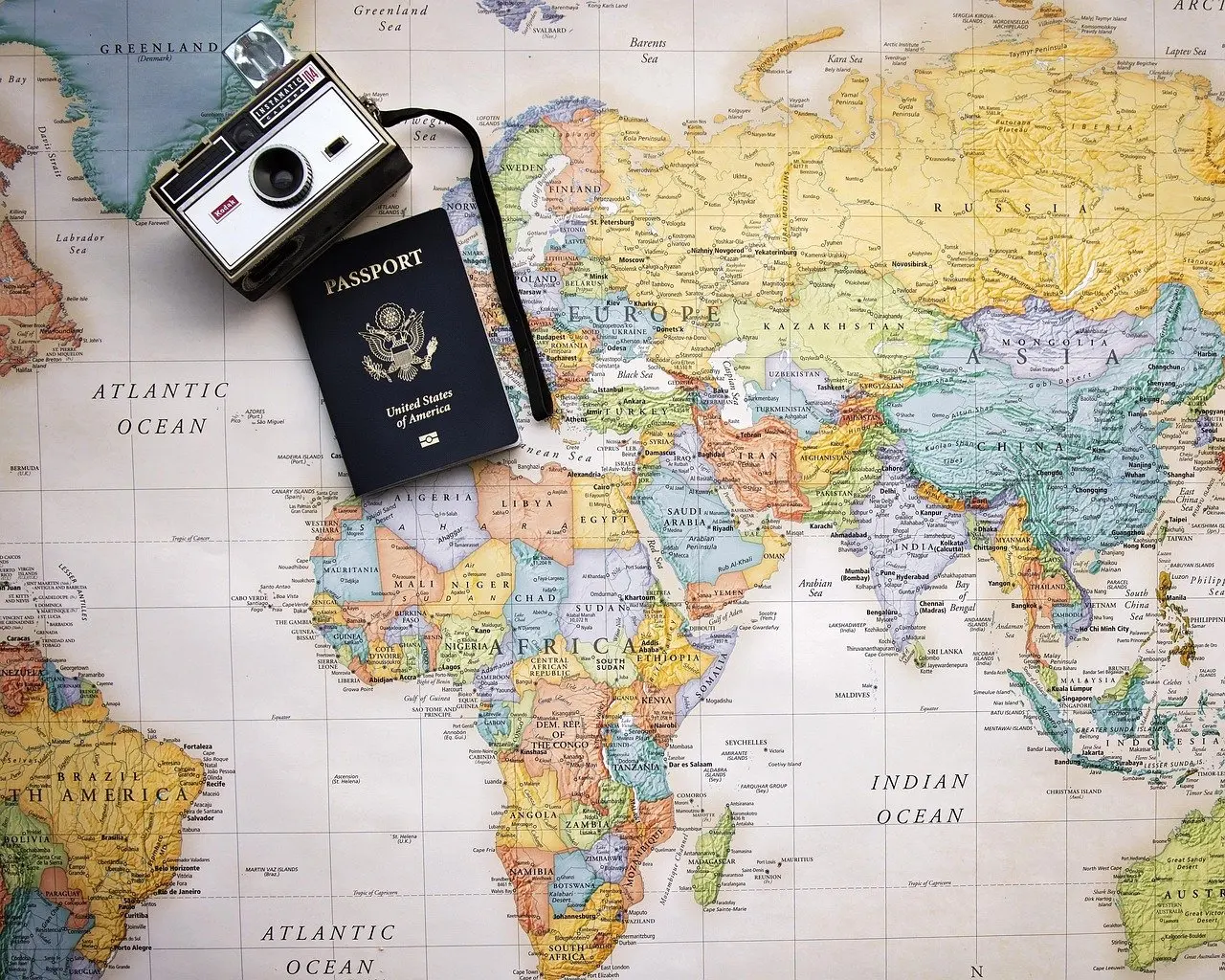
The original passport is the document you cannot replace on the spot, so decide in advance where it lives during the trip and how it is protected. The dedicated guide on how to keep passport safe while traveling covers storage choices in detail.
Backups matter as much as the original. A travel-safety guide advises taking copies of important documents and emailing a copy to yourself and to a family member. Sending the copies to two people means that losing your phone or bag does not cut you off from the details you need to start replacements.
Visa requirements
Entry rules are a separate question from safety ratings. A destination with a calm advisory can still refuse entry to a traveler who lacks the right paperwork. Check whether a visa is required for your destination and nationality before you pay for anything non-refundable, since the answer can change the whole plan.
Cards, cash and ATMs
Money safety rests on not putting everything in one place. Keep payment methods separate so a single theft or a blocked card does not leave you with nothing, and treat ATM use as a moment to be aware of your surroundings. The guide on how to keep money safe while traveling goes through cards, cash and machines in more depth.
Health: prevention, kit and what to do if you get sick
Most travel illnesses are manageable when the traveler has prepared, and much harder when they have not. The sensible approach is to prevent what you can, carry what you will need and know your next step before you need it.
Medicines and a first aid kit
A first aid kit is the first line of response for minor injuries and upsets, and it works best when it reflects the trip rather than a generic list. The most important item is not a plaster or a thermometer but your own prescription medicine. One travel preparation guide says that you have to allocate enough medicine for yourself before flying. Replacing a prescription abroad can be slow or impossible, so err on the side of bringing the full supply you will need.
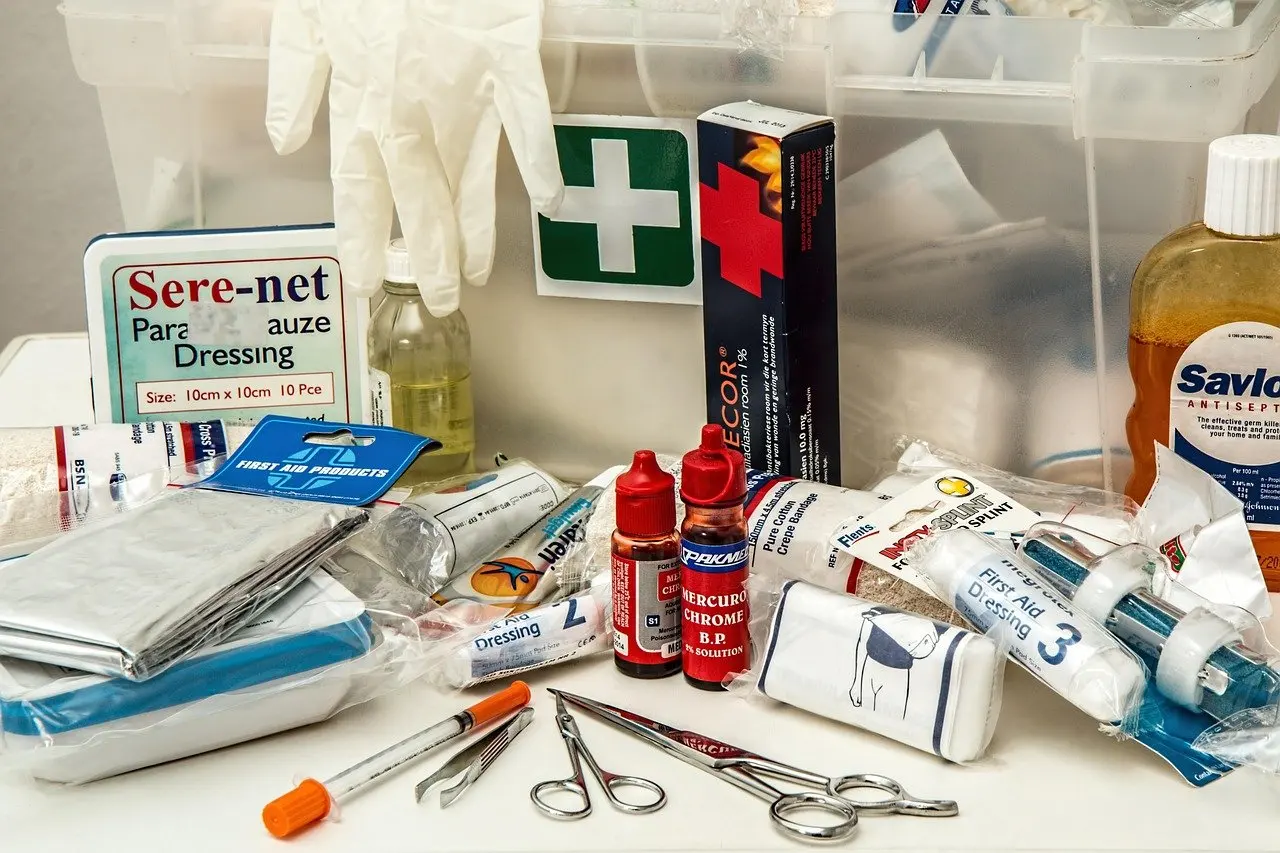
For the contents themselves, the guide on what to put in a travel first aid kit sets out what to include and how to adapt it to the destination and the length of the trip. Pack the kit in hand luggage when you can, so that essential supplies travel with you rather than with a bag that might be delayed.
Food, water and hygiene
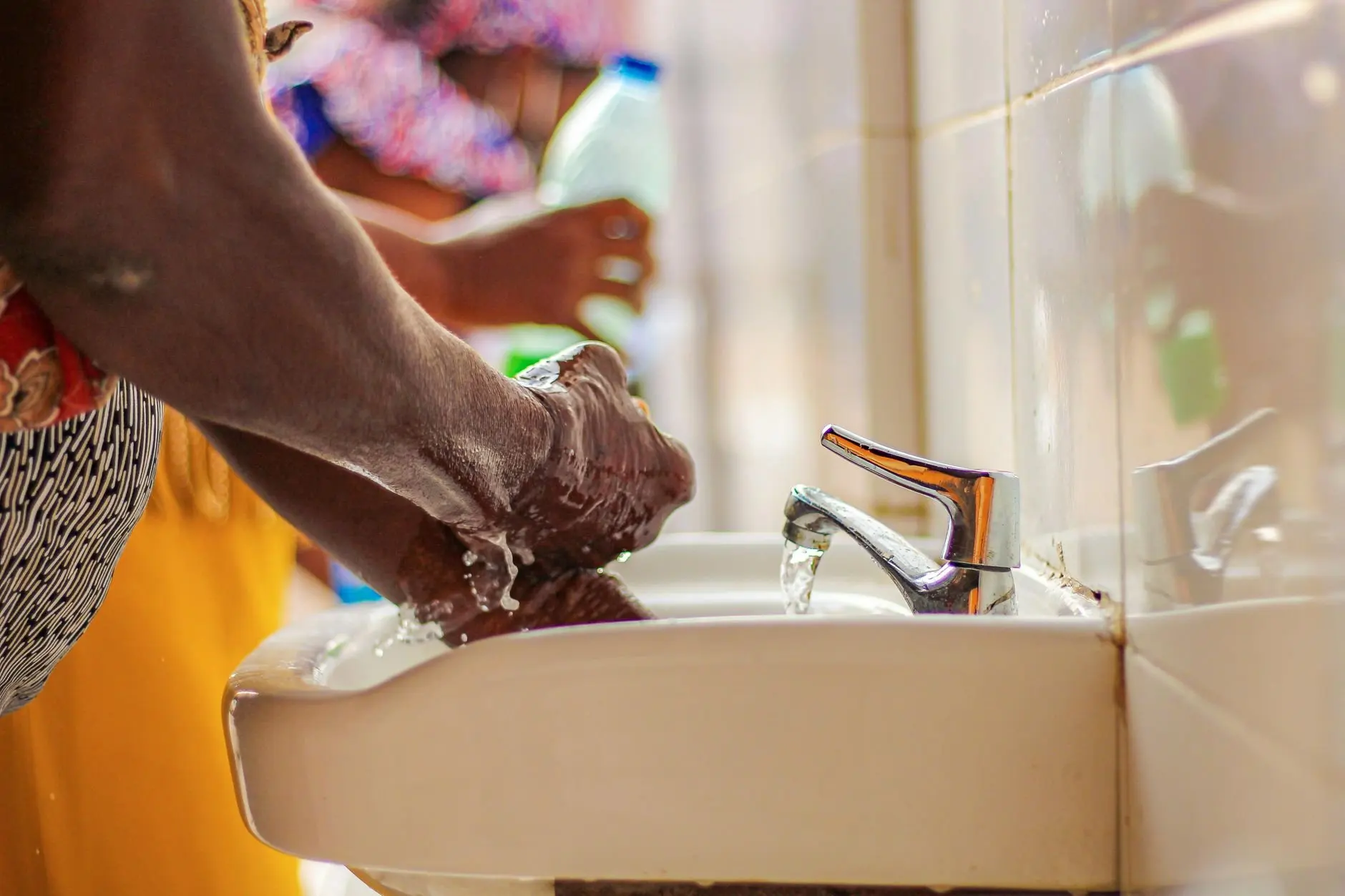
Stomach illness is the most common way a good trip goes wrong, and prevention is largely a matter of habit. Wash your hands before eating, and when a sink is not available carry a way to clean them. Choose venues where you can see food being prepared and served properly, and be cautious where you cannot. The detailed advice on how to avoid getting sick from food while traveling covers water, street food and risky items.
Altitude and long journeys
Some health risks come from the route rather than the food. A trip into high country calls for a slow, planned approach, and the guide to how to prevent altitude sickness explains how to build that into an itinerary. Long-haul flying is a separate strain on the body, and the guide on how to stay healthy on a long flight covers what to do before and during the journey.
If you get sick while traveling
Getting sick abroad is easier to manage with a short sequence in mind. This order suits most situations that are not a clear emergency; in a genuine emergency, go straight to emergency services.
- Stop and get local care. Ask your accommodation staff or tour operator to direct you to a medical facility rather than pushing on with the itinerary.
- Use your own supplies. Reach for the prescription medicine and first aid kit you packed, and keep to the instructions that came with them.
- Tell your emergency contact. Let the person who holds your itinerary know what has happened and where you are.
- Contact your insurer. Policies often have conditions about how and when to report a claim, so make the call early.
- Keep records. Retain receipts and medical notes, since you may need them later.
Whether a policy is worth buying is a separate decision, and the explainer on do I need travel health insurance sets out how to decide.
Ground transport
Transport is where a traveler is most exposed to strangers and least able to check anything. The fixes are mostly about making the arrangement verifiable before you step in.
Licensed taxis and booked rides
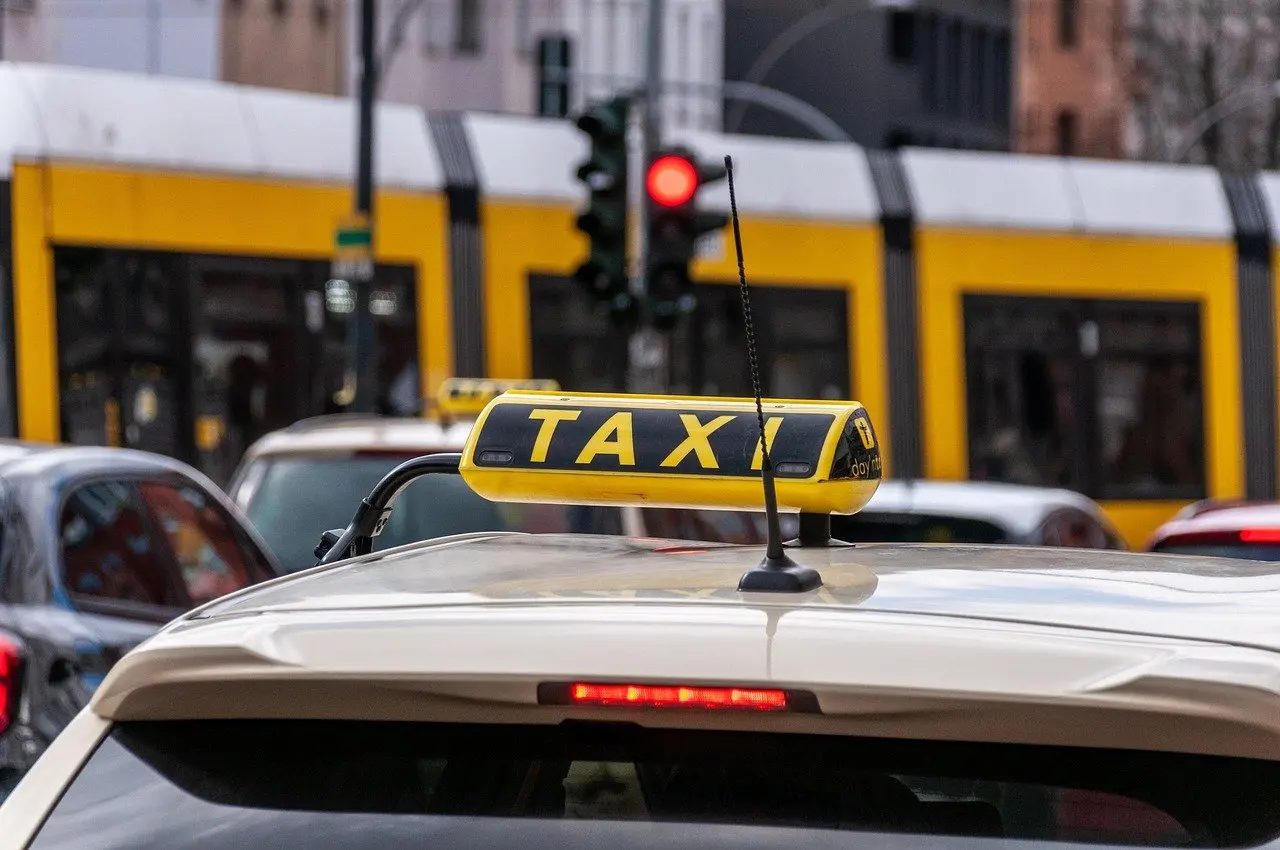
A licensed taxi is one that operates under the local authority’s rules, and the advantage is that someone is accountable for it. At an airport or station, use the official rank and avoid drivers who approach you directly. Away from a rank, one travel guide suggests that you book the taxi in advance and take the driver’s details down.
The same guide adds a rule that is easy to apply: never assume a vehicle that looks like a taxi is for you. A roof sign proves nothing about licensing or about whether that car was sent to collect you. Match the vehicle and driver to the booking before you get in, and share the details with your emergency contact if you are traveling late or alone.
Public transport after dark
Buses and trains are usually a sound option, but timing and seat choice matter. The same guide gives a direct instruction: never sit alone in an empty carriage or bus. If the vehicle is empty, wait for the next one or move to a space where other passengers or staff are present.
Tours, wildlife and water activities
Activities carry risks that no advisory covers, which makes the operator the thing to check. The sensible question is whether the business can show you how it keeps clients safe, not whether its marketing looks good.
Guided wildlife experiences
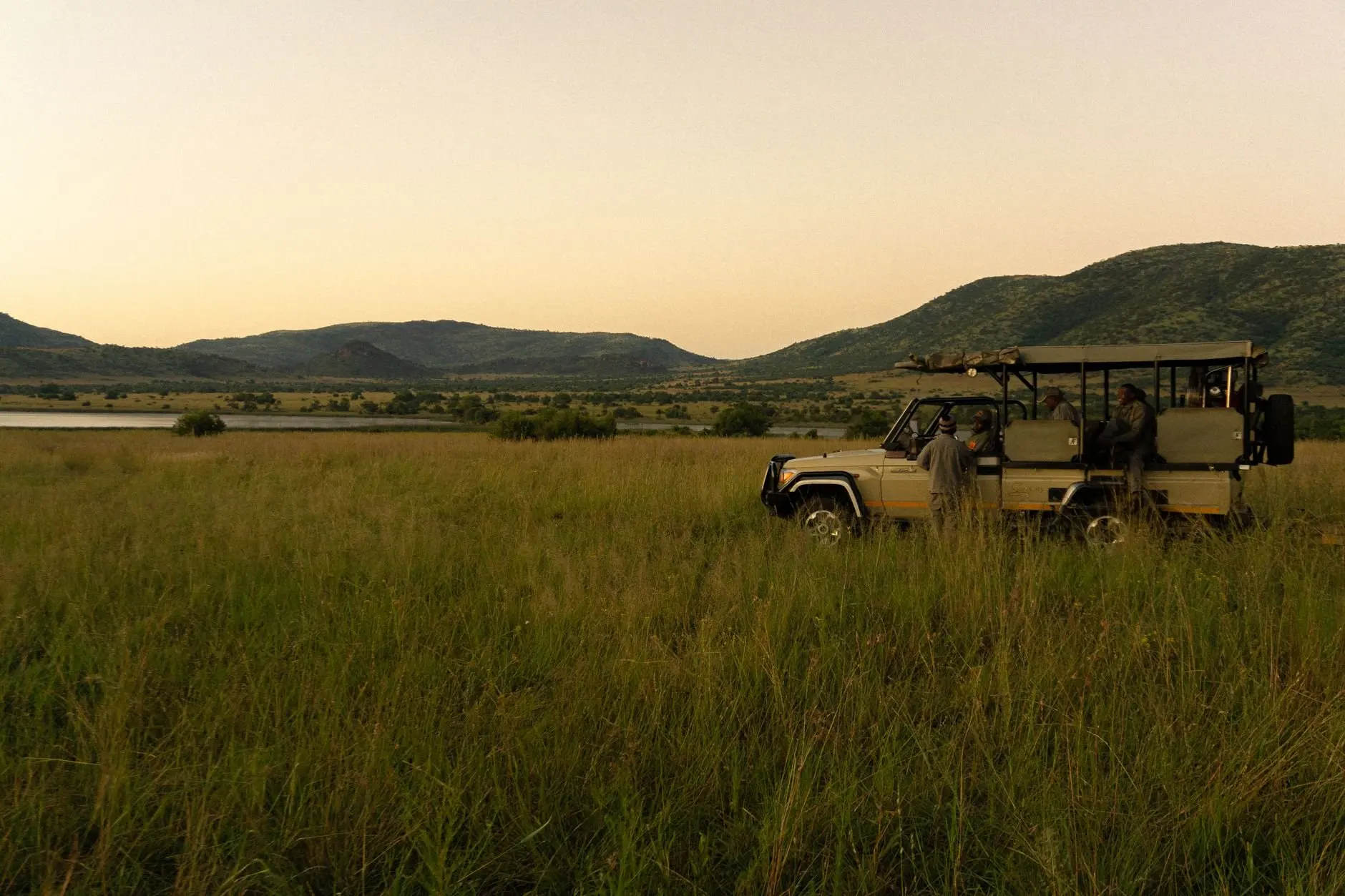
On a safari or similar tour, the guide and the vehicle are your safety equipment. Look for an operator that supplies a trained guide with the group and that explains the ground rules before the drive begins. Be cautious about any operator that encourages guests to get closer to animals than the guide advises.
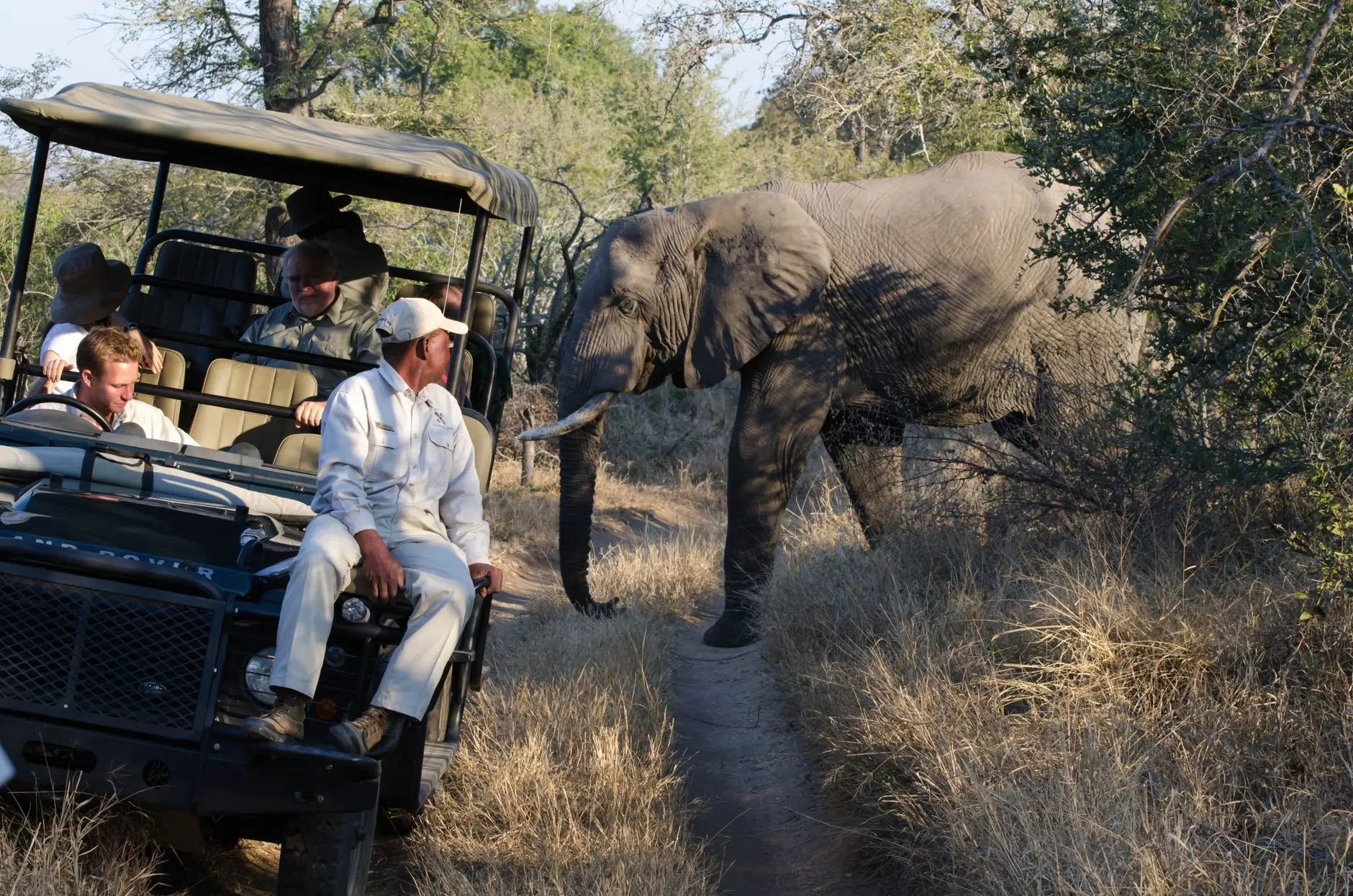
Before paying, ask how the operator handles accreditation, how many guests share a vehicle and what the briefing covers. Reputable operators answer these questions readily. A vague answer is itself useful information, and it is a reason to choose another provider.
Boats, rafts and water sports
On the water, the equipment is visible, which makes it easy to inspect. Before boarding any boat or starting a rafting or river trip, check that life jackets are available for everyone on board, that they are in usable condition and that the crew fits them properly. Helmets matter on river activities too. If staff wave away the question or the gear looks neglected, do not go.
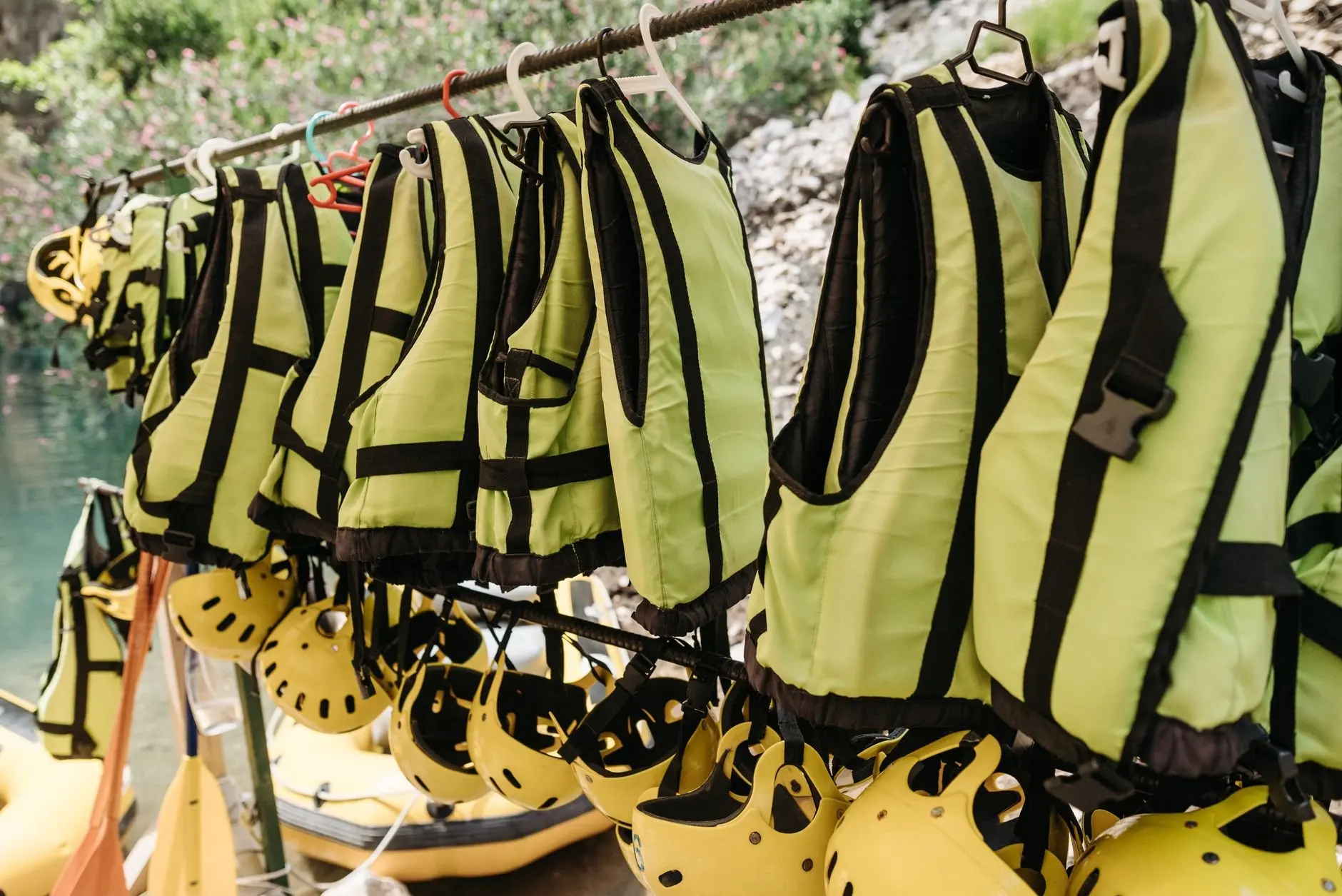
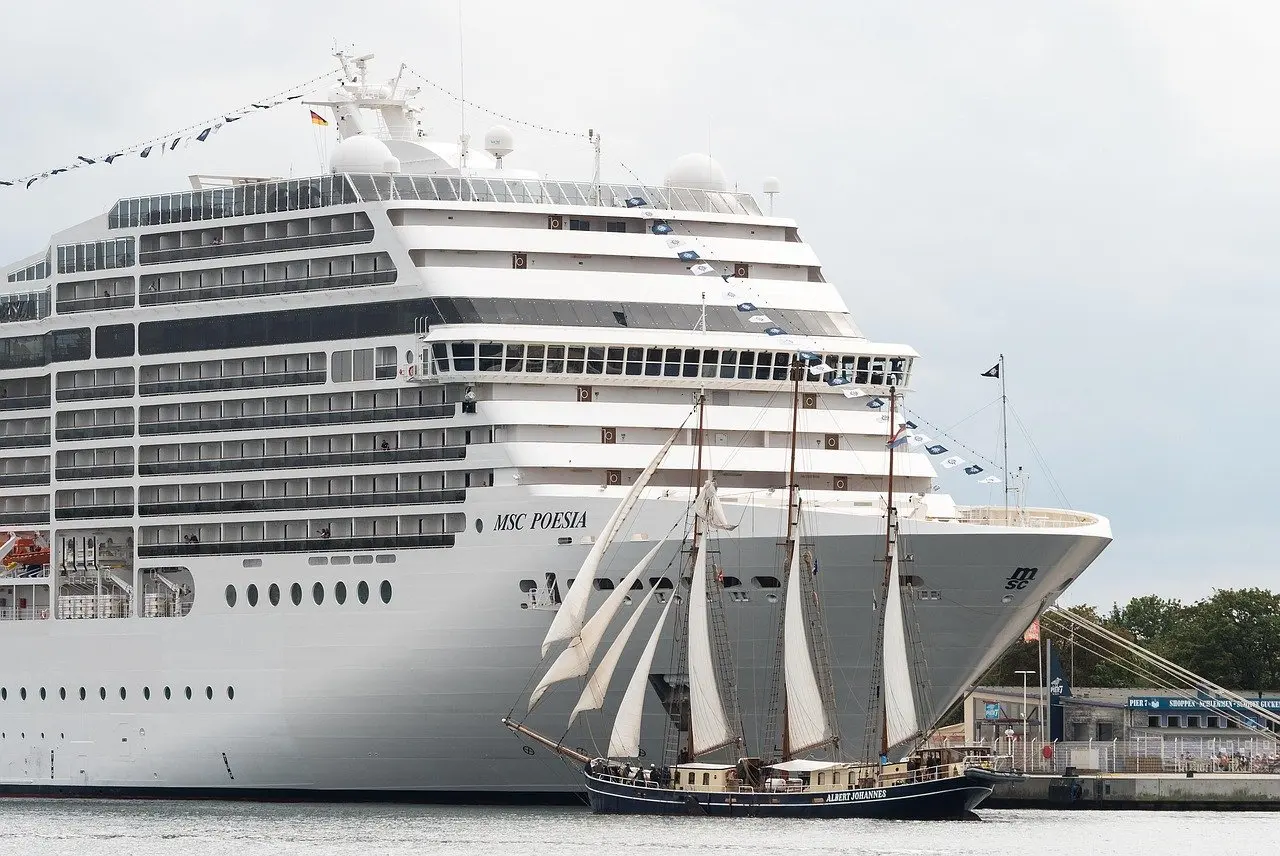
Large vessels bring their own questions about drills, medical facilities and conditions on board, and the guide to cruise ship safety tips covers them.
Staying safe on the street and traveling alone
Personal safety on foot is mostly about reducing the chance of being targeted and keeping your options open. Solo travelers carry more of this load themselves, so the habits matter more.
The foundation is the same as for any traveler: keep your emergency contact informed, hold backups of your documents and use verified transport. For people on their own, the guide on how to stay safe traveling alone adds routines for accommodation, evenings and meeting new people, and the guide to solo female travel safety tips addresses the extra considerations women often raise.
Scams target the same moments of uncertainty that transport checks aim to remove: arrival, a confusing street, a persuasive stranger. Learning the standard patterns makes them easy to spot, and the guide to common tourist scams collects the ones travelers meet most.
Choosing where to start
You do not need to complete every check at once. Start with what most affects your particular trip, and treat the rest as a sequence.
- Planning a first international trip: begin with the advisory level, the visa question and the emergency contact, since these decide whether and how you go at all.
- Taking medication or heading somewhere remote: pack the full prescription supply and a tailored kit first, then work through the insurance question.
- Relying on tours and local transport: spend your time on operator and vehicle checks, because that is where most of your exposure sits.
- Wanting one structured document: use the travel risk assessment checklist to turn these points into a trip-specific list.
Frequently asked questions
How often should a travel advisory be checked?
The Government of Canada advises checking the page for your destination often, as safety and security conditions may change. Read it when you book and again before you leave.
Does a normal-precautions level mean a destination is risk free?
No. It means taking precautions similar to those you would take at home. Transport, activity and health choices still need checking.
How many credit cards should a traveler carry?
One travel preparation guide suggests that one to two credit cards may benefit travelers on a trip, which keeps a spare available without carrying everything you own.
Is a high-caution advisory a reason to cancel?
Not by itself. That level points to safety concerns or fast-changing conditions, so it favors flexible plans and verified operators. The two levels above it are the ones that ask you to reconsider or not to go.