Card gone at a foreign ATM? Knowing how to keep money safe while traveling comes down to layers: carry a day or two of cash on your body, leave backups at your lodging, and report any problem to the bank immediately.
This plan sits alongside broader travel safety tips. Each layer below answers one problem: what to carry, which payment method to use, how to use cash machines, which card suits the trip, and what to do when something goes wrong.
What to carry and where to keep it
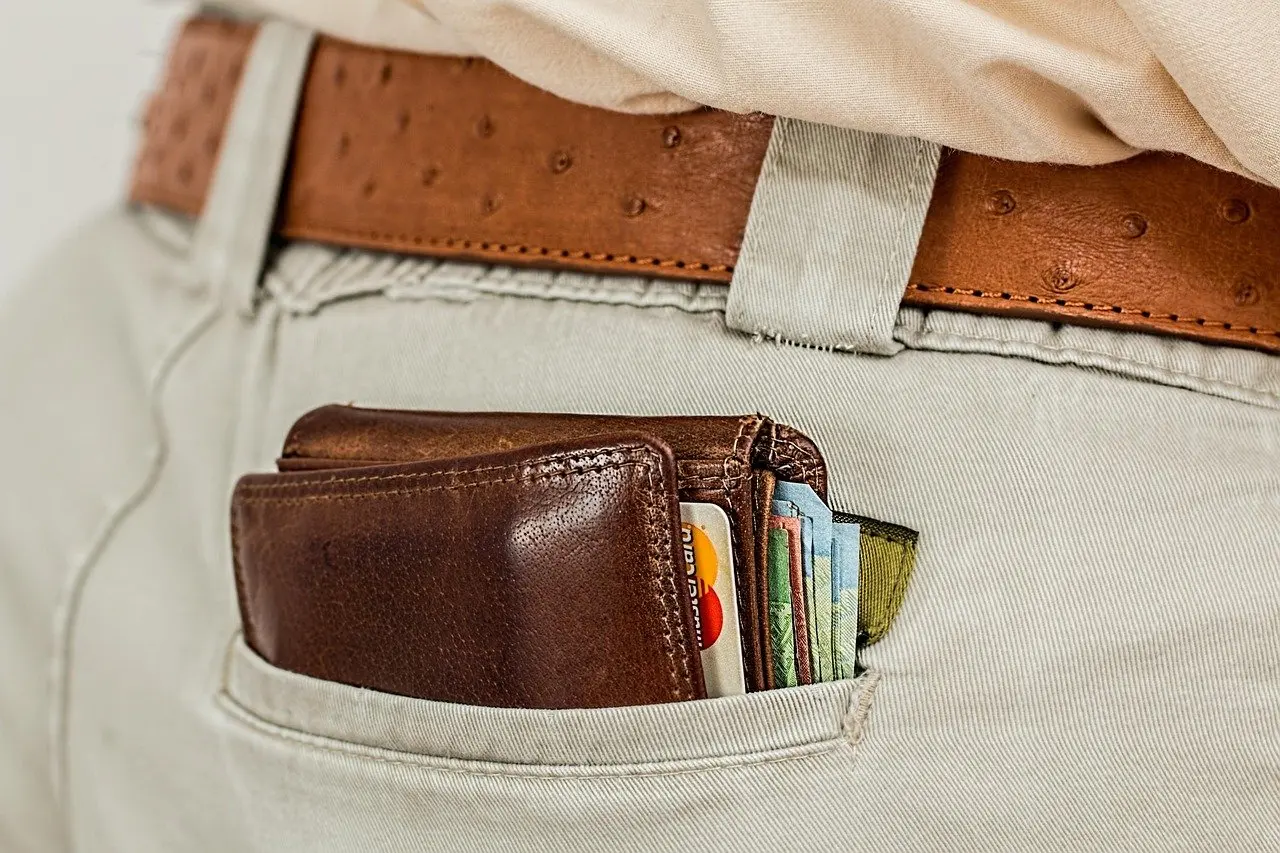
Cash is the layer that is hardest to recover once it is lost, so keep the amount small. Chance CPA’s travel money tips advise taking only what you will realistically need for a day or two and keeping the rest in a secure location. That suits anyone with a fixed base such as a hotel or rental, because the reserve can stay put while only the day’s spending travels with you.
Money belt or hidden pouch
The same guidance says to keep your money inside a money belt somewhere on your person. The principle matters more than the product: the cash stays on your body instead of sitting loose in a place you cannot feel. A hidden pouch worn on the body follows the same logic, so the practical choice is whichever one you will actually put on every morning. A belt that stays in the suitcase protects nothing.
What stays behind
Anything beyond the day’s allowance belongs in the secure spot at your lodging. This includes spare cash and, as the next section explains, a backup card. Treat the carried amount as a ceiling for the day, not a target to fill.
Cash, cards or both
Neither cash nor a card alone is the safest answer. The same source recommends using a mix of payment methods and keeping one or more of them safely at your hotel or Airbnb. If your wallet disappears, you still have a way to pay and a way to reach funds.
- Small daily purchases: cash within your day-or-two limit covers these, and losing it costs you only that limit.
- Larger or planned spending: a card keeps the amount on your body low, which fits the cap on carried cash.
- The backup: a second payment method left at your lodging means one loss does not strand you.
Using ATMs without taking risks
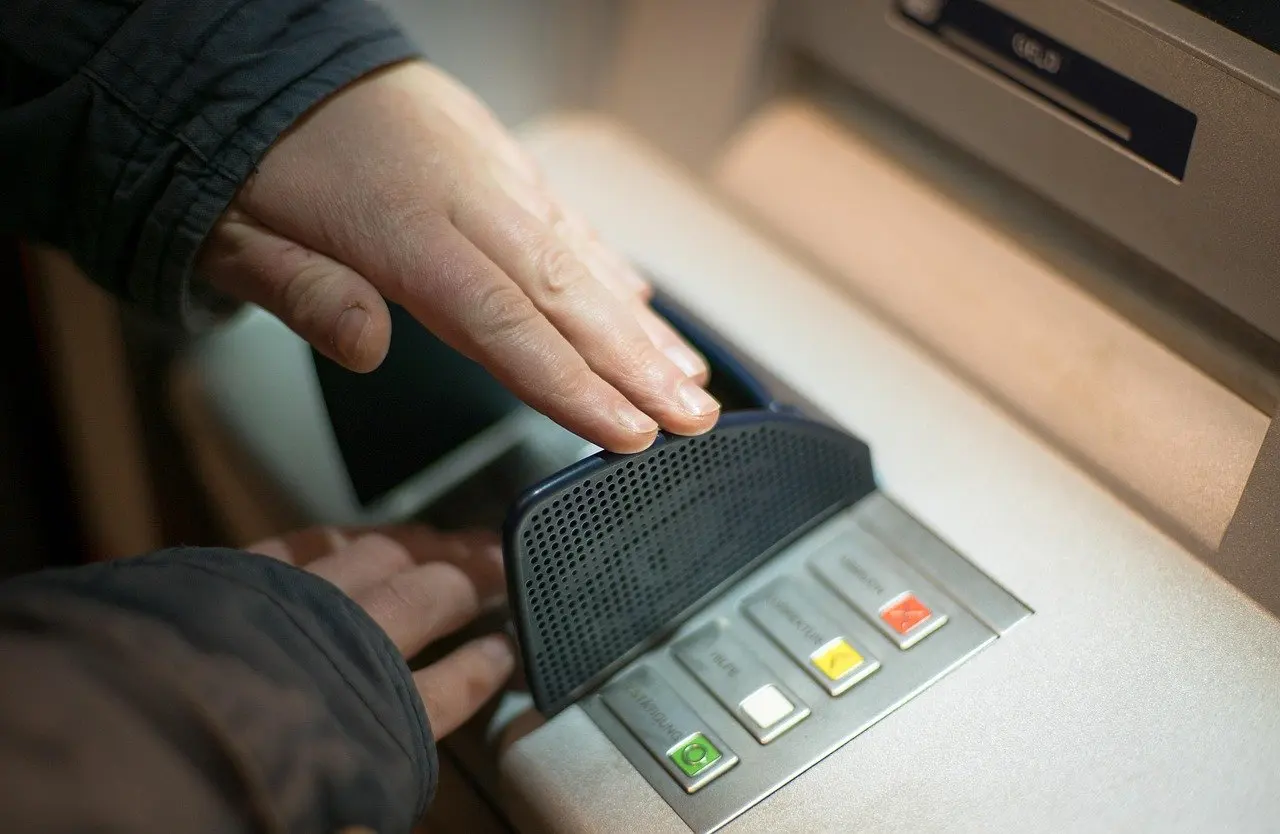
ATM skimmers are more common abroad, so the machine you choose matters. Chance CPA recommends machines in well-lit, populated areas, such as inside a bank. In practice, that points to ATMs inside banks or major stores and away from quiet corners where nobody is passing.
If the only machine nearby looks out of place, wait and find a better one. Needing cash is rarely urgent enough to justify a poorly located machine, especially when a card or the backup at your lodging can cover the gap. Withdrawals that target travelers also appear in guides to common tourist scams, which is a useful companion read before arrival.
Choosing a card for the trip
A travel card is usually chosen for its rewards, not its protection. In a YouGov survey of US consumers, 13% said they had applied for a travel rewards card in the previous year. Applicants cited the welcome bonus (39%) and rewards on travel spending (35%) as their main reasons. Travel benefits, chosen by about a quarter of applicants, ranked as the least important factor.
That pattern suggests a practical judgement. Do not assume a card marketed for travel offers stronger safeguards than your ordinary credit or debit card. Before you leave, ask the card issuer what it does when a card is lost abroad and how quickly you can reach it. A card with generous rewards but an unreachable issuer is a poor choice for a trip.
For debit versus credit, the more useful question is how much each one exposes. A debit card is tied directly to the account it draws from. Whichever type you carry, take a second card from a different account as the backup kept at your lodging.
Setting up before departure
Most of the protection is arranged before you leave home. These steps cost little and make a later problem easier to handle.
- Tell your issuers: let your bank and credit card companies know your travel plans.
- Turn on alerts: set up notifications for transactions on your accounts, if the account allows it.
- Separate your copies: store copies of important documents securely in a different place from the originals.
- Keep banking off public Wi-Fi: avoid logging into your bank or other financial institutions on public networks.
Local conditions change which of these layers matters most, so it helps to read up on how to research destination safety before traveling as part of the same preparation.
If your card is stolen abroad
Speed matters because unauthorized charges can pile up while you hesitate. Chance CPA’s advice is to report any unauthorized charges or discrepancies to your bank immediately. Work through these actions in order.
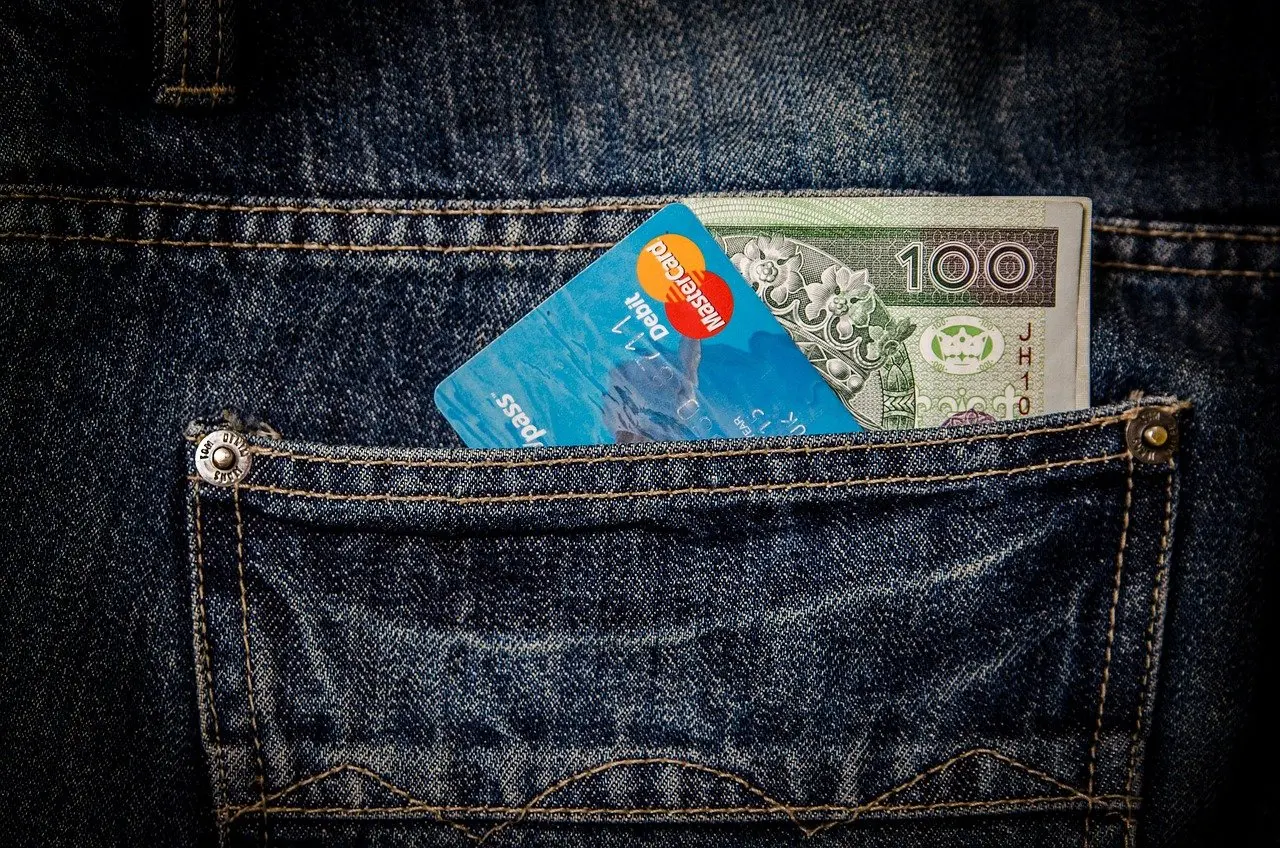
- Contact the card issuer: report the missing card and any charges you do not recognize straight away.
- Check your alerts: transaction notifications show what has been charged since the card went missing. Avoid public Wi-Fi if you log into the bank to look.
- Switch to the backup: use the payment method kept at your lodging, along with the cash reserve you left behind.
- Use your document copies: the copies stored apart from your originals help you prove who you are if papers went missing as well.
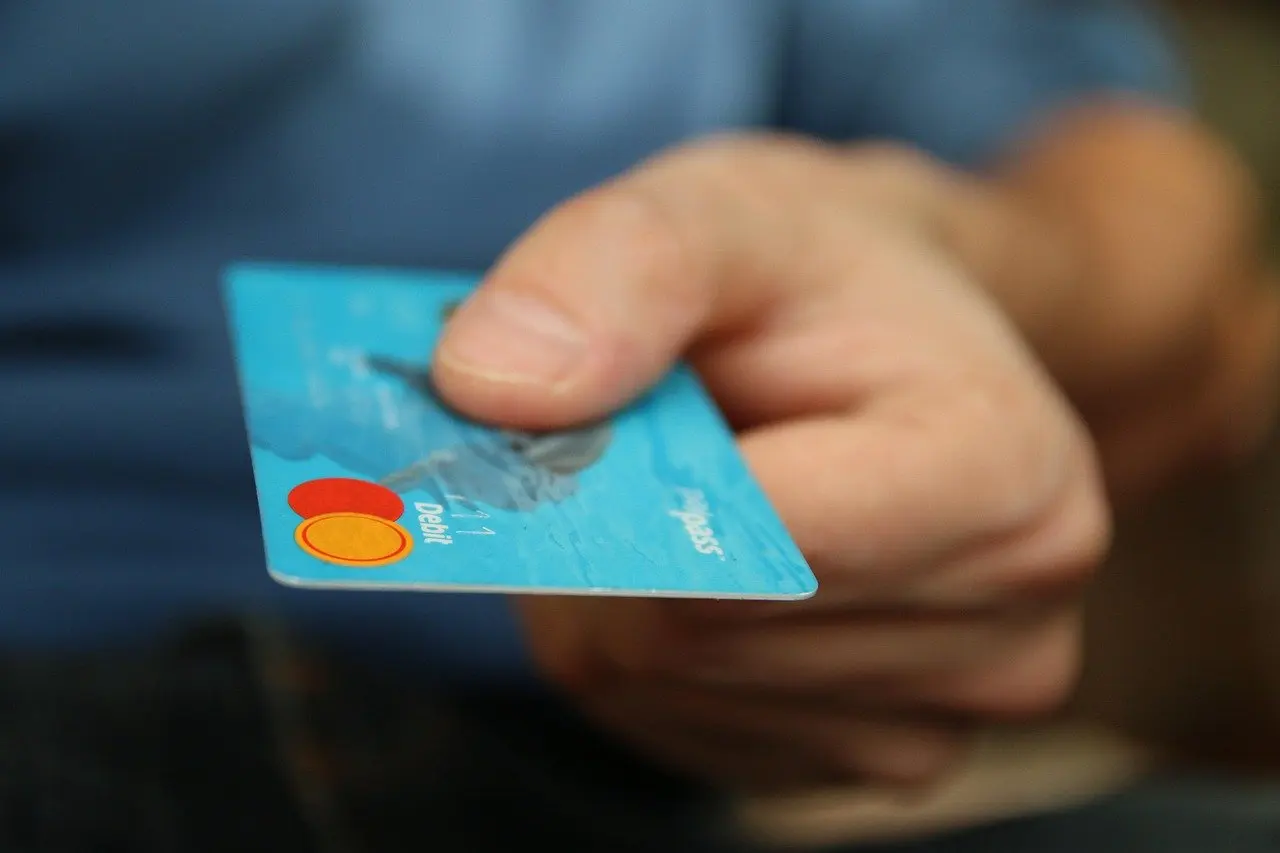
This is the practical payoff of the layered plan. Because only a day or two of cash was on you and a backup was waiting at your lodging, a stolen card becomes an inconvenience to manage, not a stranded trip.
Frequently asked questions
| Question | Answer |
|---|---|
| Will my credit card cover a medical emergency abroad? | Usually not. Athens CEO’s comparison of travel insurance and card cover notes that most credit cards do not include medical coverage. Where it is offered, it is often a limited amount, from $2,500 to $5,000. |
| How much trip cancellation cover can a credit card provide? | The same comparison says even the most generous cards cover only up to $10,000 per person and $20,000 per trip, so treat that as a ceiling rather than a typical figure. |
| Is a travel rewards card a substitute for travel insurance? | No. The limited medical and cancellation amounts above show why a rewards card is better treated as a payment tool than as full travel protection. |