| Reader situation | What to pack | Planning use |
|---|---|---|
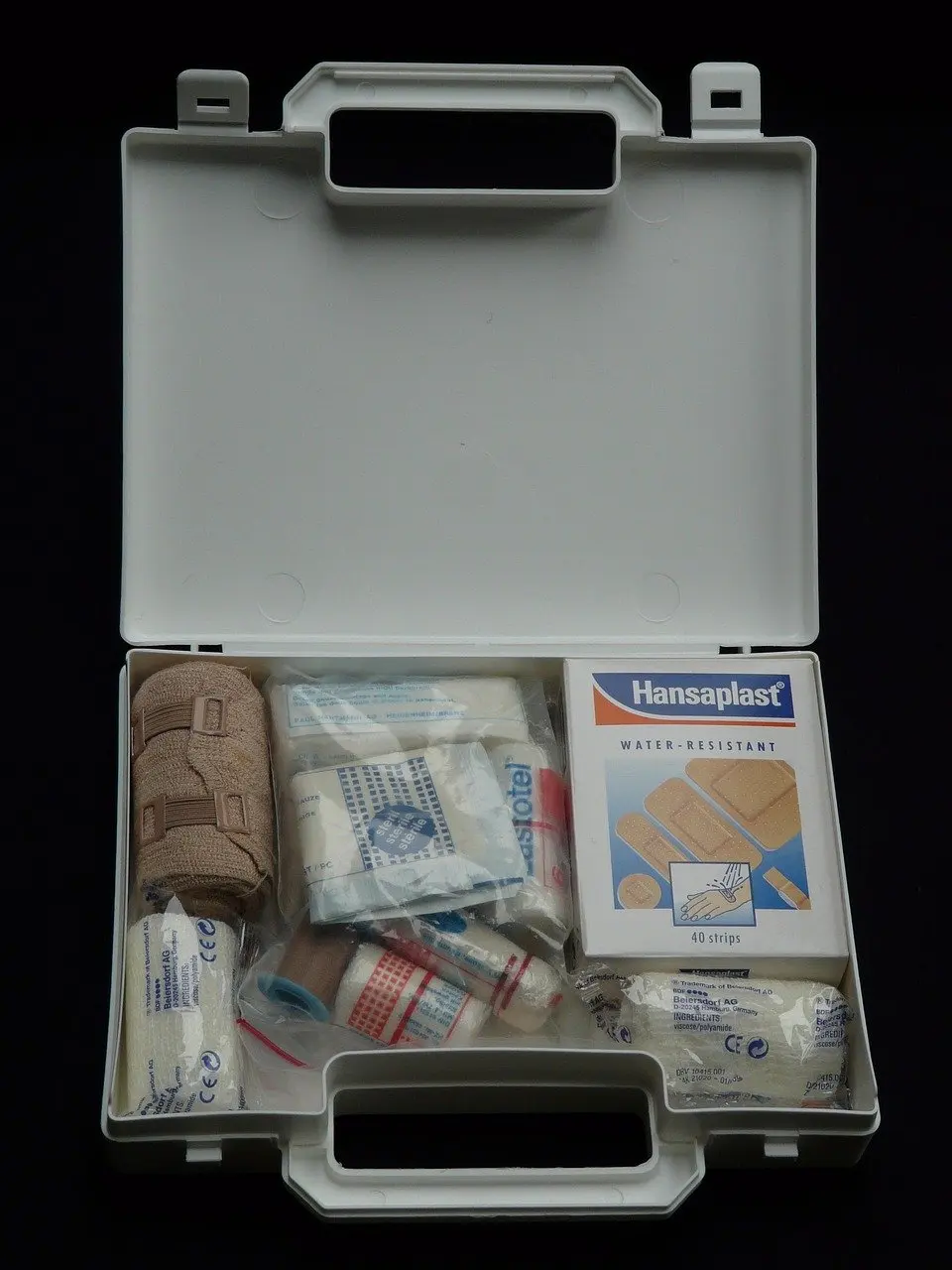
| Cuts, scrapes and falls | Adhesive bandages in assorted sizes, saline packets, steri-strips | Pack these first. They cover the most common minor injuries and take almost no space. |
| Stomach upset or heat | Oral rehydration salts, anti-diarrhea medicine, antacids | Essential for trips where food, water or heat could cause trouble. |
| Allergies, aches and colds | Antihistamines, pain relief, cold and cough medicine, motion sickness medicine | Choose the categories that match your own history, not every product on the shelf. |
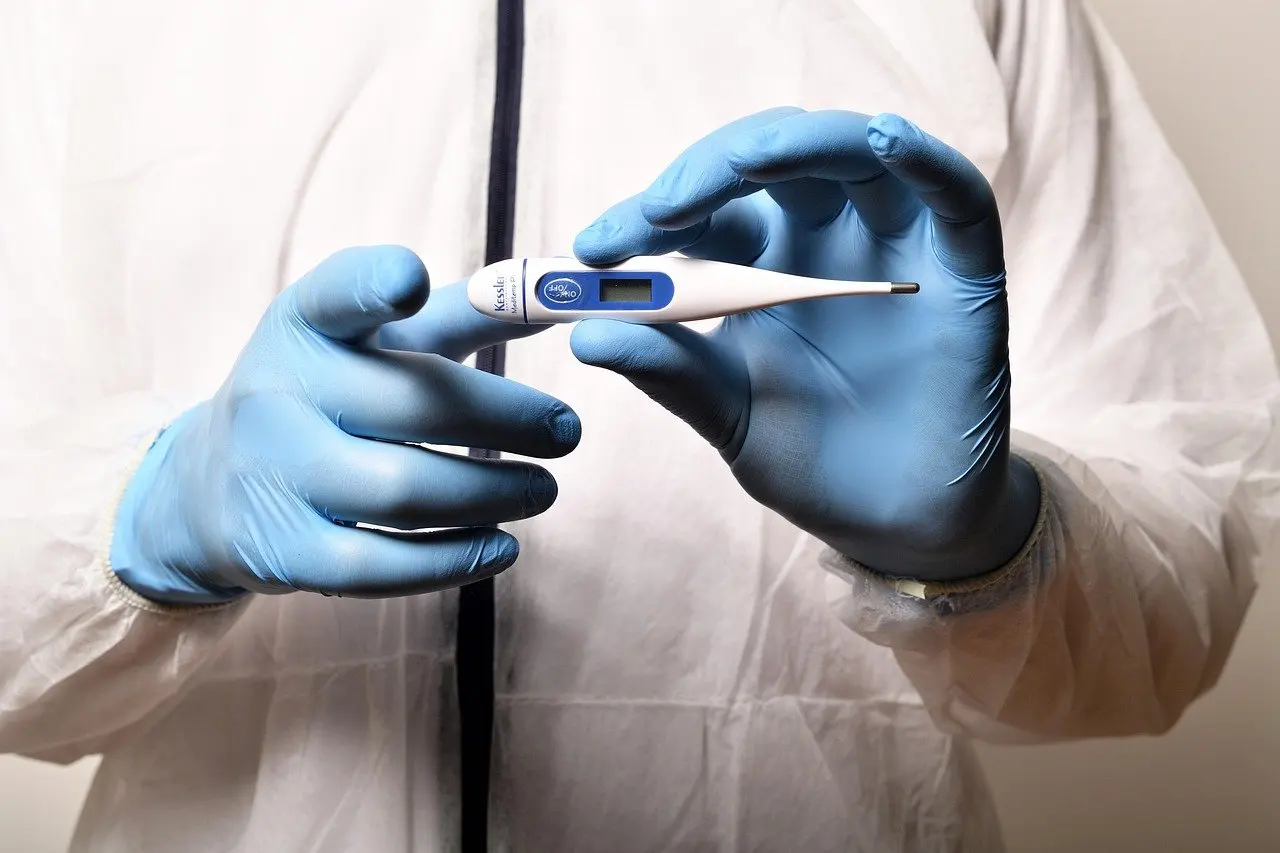
| Feeling unwell | Thermometer | Gives a clear reading before you decide whether to seek care. |
| Ongoing health conditions | Prescription medication in original packaging, extra supply, copies of prescriptions | Plan this before packing anything else, and speak to a healthcare practitioner first. |
Kit categories come from the Red Cross travel first aid kit essentials guide, and the rehydration use from a pharmacy supplier’s travel kit guide.
What to put in a travel first aid kit depends on the problems likely on the trip: wound care, stomach upsets, allergies and aches, and any prescription medicines, which belong in original packaging.
The list below is grouped by the situation each item solves, so you can pack for your own trip rather than copy a generic checklist. For wider preparation beyond the kit, see these travel safety tips.
Cuts, scrapes and falls
Falls and cuts sit on the Red Cross list of common injuries while traveling, alongside fractures and insect bites. Wound care is the part of the kit most travelers will actually use, so it earns the most reliable space.
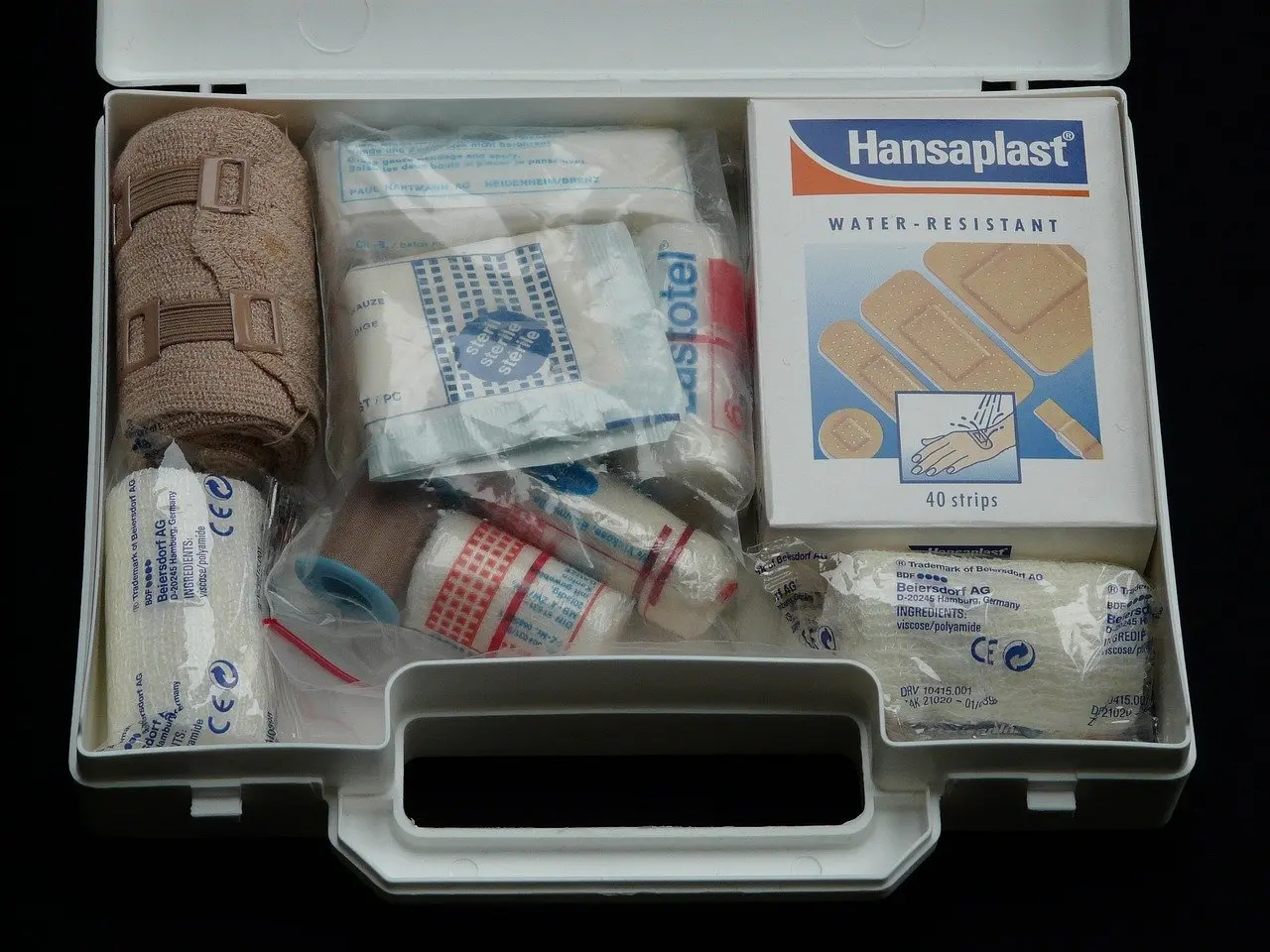
Adhesive bandages in assorted sizes
The Red Cross lists adhesive bandages in assorted sizes as a basic kit item. Mixed sizes matter because a blister on a heel and a graze on a knee need different coverage. This suits every traveler, and the main limit is that bandages only cover small wounds.
Saline packets and steri-strips
The Red Cross includes saline packets to wash out wounds. Rinsing a scrape before covering it is the sensible first step when clean running water is uncertain. The same list names steri-strips, which suit cuts that a plain bandage may not hold closed. Both are light and worth packing for hikers, cyclists and anyone heading away from a pharmacy.
Topical corticosteroids
Topical corticosteroids appear in the same Red Cross list as steri-strips and the thermometer. They suit travelers prone to skin reactions or bites. Anyone with a skin condition should check with a healthcare practitioner which product suits them before packing it.
Stomach upsets and dehydration
Dehydration is among the common travel problems the Red Cross lists. A supplier’s kit guide notes that diarrhea, extreme heat or dehydration can weaken a person fast, which is why this group deserves its own pocket in the bag.
Oral rehydration salts
Oral rehydration salts are worth packing. They replace fluid and electrolytes when diarrhea or heat has drained you, and a sachet weighs almost nothing. They suit every destination, and they matter most on trips with long transfers, hot climates or limited access to a pharmacy. Salts do not treat the cause of an illness, so they support recovery rather than replace medical care when symptoms are severe.
Anti-diarrhea medicine and antacids
The Red Cross medication list names both anti-diarrhea medicine and antacids. They suit travelers who expect unfamiliar food, rich meals or irregular schedules. Pair them with sensible eating habits; the guide on how to avoid getting sick from food while traveling covers prevention, so the kit only has to handle what slips through.
Allergies, aches, colds and motion sickness
This group answers the question of which over-the-counter medicines to pack for travel. The Red Cross basic kit lists categories rather than brands: pain relief, antacids, anti-diarrhea, cold and cough, motion sickness, and antihistamines. Treat that as a menu and pack only what fits your health history.
Antihistamines
An antihistamine is the item for allergic reactions, which the Red Cross also lists among common injuries and illnesses while traveling. It suits people with seasonal allergies, food sensitivities or a reaction history to insect bites. A pack that stays in the bag costs little, but anyone with a severe allergy should talk to a healthcare practitioner about what a kit needs beyond a standard antihistamine.
Pain relief
Pain relief covers headaches, sore muscles after a long walking day and minor aches from a cramped flight. Pack the product you already know you tolerate, in its original packaging.
Cold, cough and motion sickness medicine
Cold and cough medicine suits longer trips and colder destinations. Motion sickness medicine suits anyone planning boat trips, winding mountain roads or long coach rides. If you have never needed either, a small quantity is enough.

Fever and symptom checks
Thermometer
The Red Cross lists a thermometer among its basic kit essentials. It turns a vague feeling of being unwell into a reading you can describe to a pharmacist, doctor or travel insurer. It suits families with children, travelers heading somewhere remote, and anyone who tends to feel feverish before illness is obvious. A small digital model is enough, and a spare battery is a sensible addition to the kit.
Prescription medicines
Prescription medication is the part of the kit with the highest stakes and the most planning. The Red Cross advises anyone with an existing condition to consult a healthcare practitioner before they travel, and that conversation should come before any packing.
How much to bring
The Red Cross advice is to plan enough medication for the trip, including an additional supply for extended trips. A delayed return or a lost bag is far easier to handle when you have a margin. If you are away for a long period, ask your practitioner how to arrange the supply.
Original packaging and copies
Keep all medications in their original packaging. The Red Cross notes this helps you get through security stations with ease, because labels show what each product is and who it was prescribed for. It also advises making copies of all prescriptions so lost or stolen supplies can be replaced.
Hand luggage and borders
For hand luggage, the practical rule drawn from the Red Cross advice is to keep any medicine you carry through a checkpoint in its labelled original packaging. Rules on quantities, liquids and certain controlled medicines are set by the airline, the airport security authority and the customs agency of each country on your route. Check each of them before departure, especially if a medicine is a controlled substance or you need to carry a larger amount than usual.
Where a kit stops
A kit handles minor problems and early symptoms, not serious illness or injury. Fractures are on the Red Cross list of common travel injuries, and a bandage cannot manage one. For the cost side of larger problems, read through do I need travel health insurance before you leave.
Frequently asked questions
| Question | Answer |
|---|---|
| Which problems should a travel kit be ready for? | The Red Cross lists allergic reactions, dehydration, falls and cuts, fractures and insect bites as common injuries and illnesses while traveling. |
| How big does a travel kit need to be? | Ready-made options range widely. The Red Cross lists a Mini Travel First Aid Kit measuring 4 in. x 4 in. and a Be Red Cross Ready First Aid Kit with 73 pieces. A small kit suits short city trips, while a larger one suits remote or group travel. |
| Is it better to build a kit or buy a ready-made one? | A ready-made kit gives you a base, and building your own lets you add personal medicines and the categories that match your trip. Many travelers combine both by buying a small kit and adding their own items. |