| Stage | Guidance | Planning use |
|---|---|---|
| Before departure | Risk factors include home elevation, maximum altitude, sleeping altitude and rate of ascent | Fix the variables an itinerary controls: where you sleep and how quickly you climb. |
| Medication conversation | Acetazolamide can reduce AMS risk when ascent is rapid; a doctor needs your medical history and planned altitude | Raise it before the route is fixed, not at the airport. |
| Ascent days | Avoid passing 9,000 ft in a single day; do not sleep 1,000–2,000 ft above the previous night | Set a daily cap and a sleeping-altitude cap. |
| Rest days | Add acclimatization time after every 3,000 ft gained | Build rest days into the route rather than treating them as spare time. |
| Turning back | Headache plus a Lake Louise score of 3 or more indicates AMS; descend at least 1,000 ft when symptoms appear; descent is mandatory if possible for HAPE and HACE | Agree the turn-back rule with your group before the climb starts. |
The figures above come from a peer-reviewed altitude medicine review and a trekking-health guide.
How to prevent altitude sickness comes down to sequence: choose a slow itinerary, discuss medication with a doctor before leaving, and agree in advance when you will descend. The sections below follow those stages in order.
Altitude planning is one part of wider travel safety tips, and it works best when decided at the itinerary stage rather than on the mountain.
Before you leave: what you can control
Acute mountain sickness (AMS) is the most common altitude illness, and a peer-reviewed review on PubMed Central says it usually begins within a few hours of ascent. In susceptible people, onset comes within 12 hours of ascent in two-thirds and within 36 hours in the rest. Early symptoms therefore show up on the day you arrive or climb, so the plan has to be in place before you travel.
Risk factors that shape the itinerary
The same review lists the factors that raise risk. Some are fixed, and some are decisions you make when building the trip.
- Sleeping altitude: where you spend the night is a listed risk factor, so it is the first thing to design around.
- Rate of ascent: faster gains raise risk, which is why pacing rules matter more than fitness.
- Maximum altitude: the highest point reached counts, so a side trip to a high pass belongs in the plan.
- Home elevation, latitude and age: these are listed too, but you cannot change them, so they argue for a more cautious schedule rather than a different one.
Why thin air matters
The partial pressure of oxygen is only about 70% of the sea-level value at 3,000 m and about 50% at 5,000 m. Acclimatization, the body’s gradual adjustment to that lower oxygen supply, takes time, and every pacing rule below exists to give it that time.
Medication and the doctor conversation
Altitude sickness medication can help, but it supplements a slow ascent and does not replace one. The review linked above states that acetazolamide can reduce the risk of developing AMS when ascent is rapid, and that some users still develop symptoms.
Who should talk to a doctor
A trekking-health guide advises consulting a doctor and sharing your past medical history alongside the altitude you plan to reach. Dose, suitability and side effects are decisions for the prescriber, not for a travel article. Anyone with heart or lung problems has particular reason to book that appointment early, since a Cusco travel guide notes these groups face a higher risk of altitude effects.
Timing matters
The same Cusco guide says acetazolamide needs to be taken 24 hours before arriving in Cusco. That makes the medication decision part of itinerary design: a prescription sorted on the departure morning is too late for a plan that depends on it. Ask the doctor to confirm the timing for your own route.
Arrival in high-altitude cities
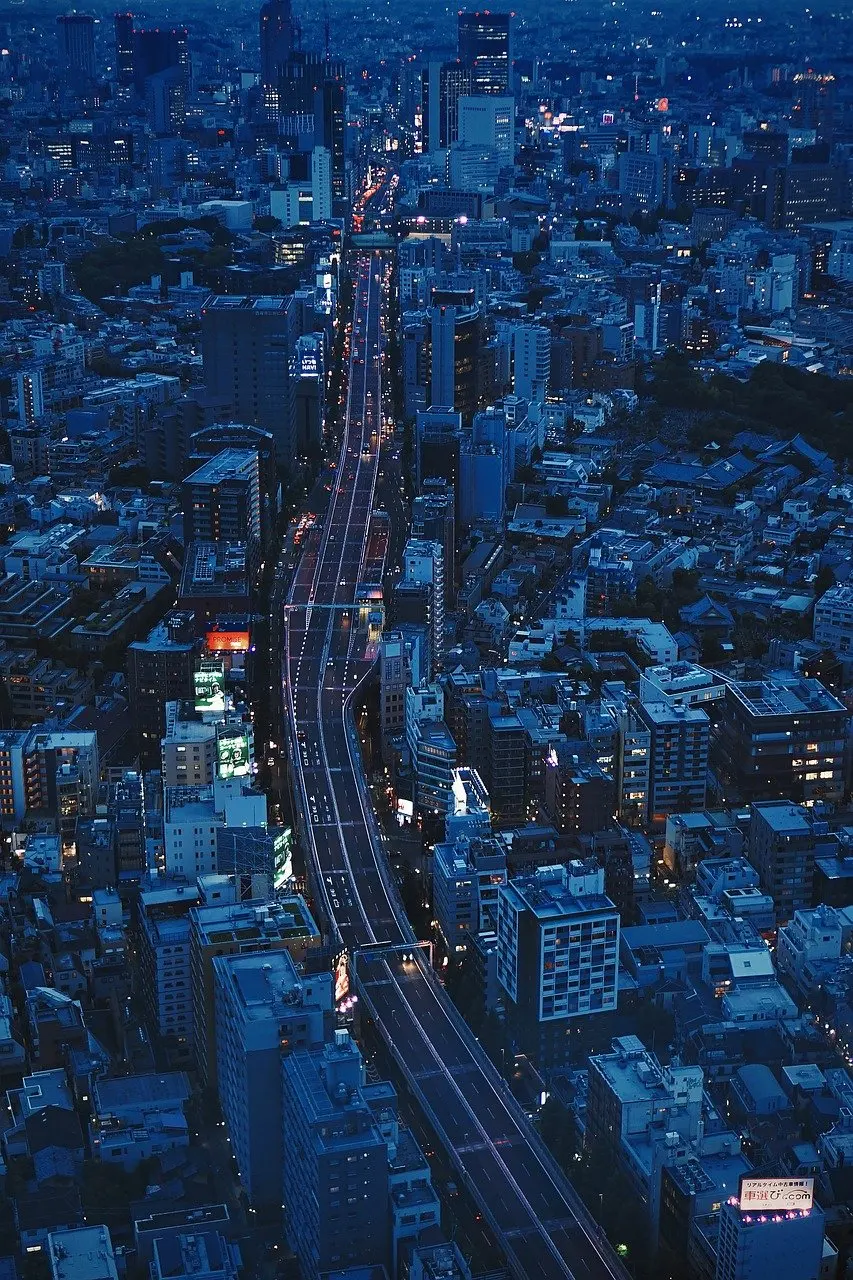
Altitude sickness generally starts affecting people at 8,000 feet or higher, according to the Cusco guide, so any city above that height deserves an adjustment period built into the first days. Cusco is the clearest example, and its neighbours show how much a change of base can matter.
| Place | Elevation | Planning use |
|---|---|---|
| Cusco | 11,152 ft (3,399 m) | Treat the first few days as adjustment time; avoid hikes and long walks. |
| Machu Picchu | 7,972 ft (2,430 m) | Significantly lower than Cusco, so it sits well below the city’s height. |
| Sacred Valley | About 2,000 ft lower than Cusco | A lower option for sleeping than Cusco itself. |
These elevations are taken from the Cusco and Machu Picchu altitude guide.
Because sleeping altitude is a listed risk factor in the PubMed Central review, spending early nights in the lower Sacred Valley is a sensible option where the route allows. Travellers heading straight to Cusco should plan the opposite: a light schedule and nothing strenuous. The long journey in is its own health task, covered in how to stay healthy on a long flight: how to stay healthy on a long flight.
First days on arrival
- Follow the medication plan: if a doctor has prescribed acetazolamide, start it at the timing they set, which for Cusco the guide puts at 24 hours before arrival.
- Keep the schedule light: the guide calls it of utmost importance to take it easy for the first few days and avoid hikes and long walks.
- Skip alcohol early on: a trekking-health guide explains that alcohol acts as a depressant that can reduce breathing frequency and cause dehydration.
- Save the strenuous plans: schedule demanding excursions after the adjustment days, not before.
Ascent pace and rest days on the way up
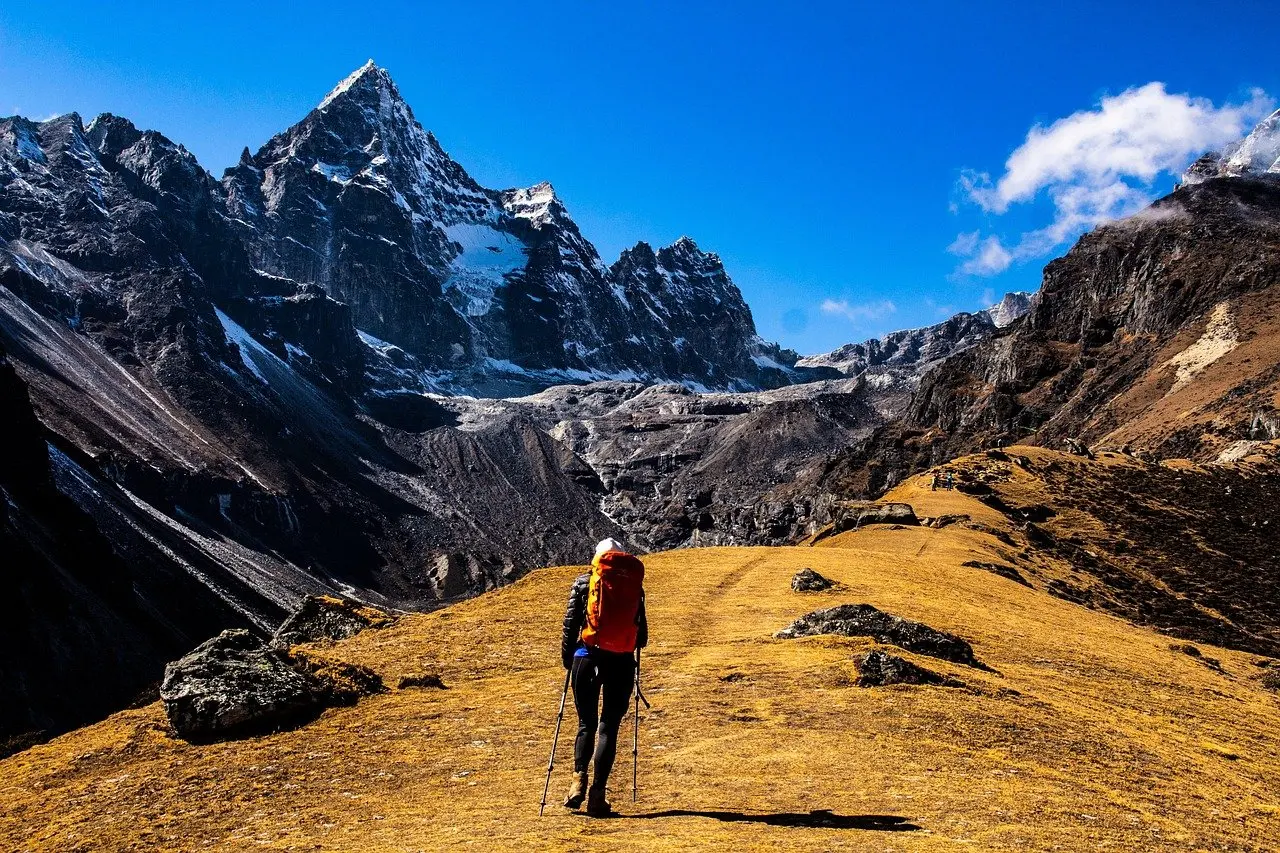
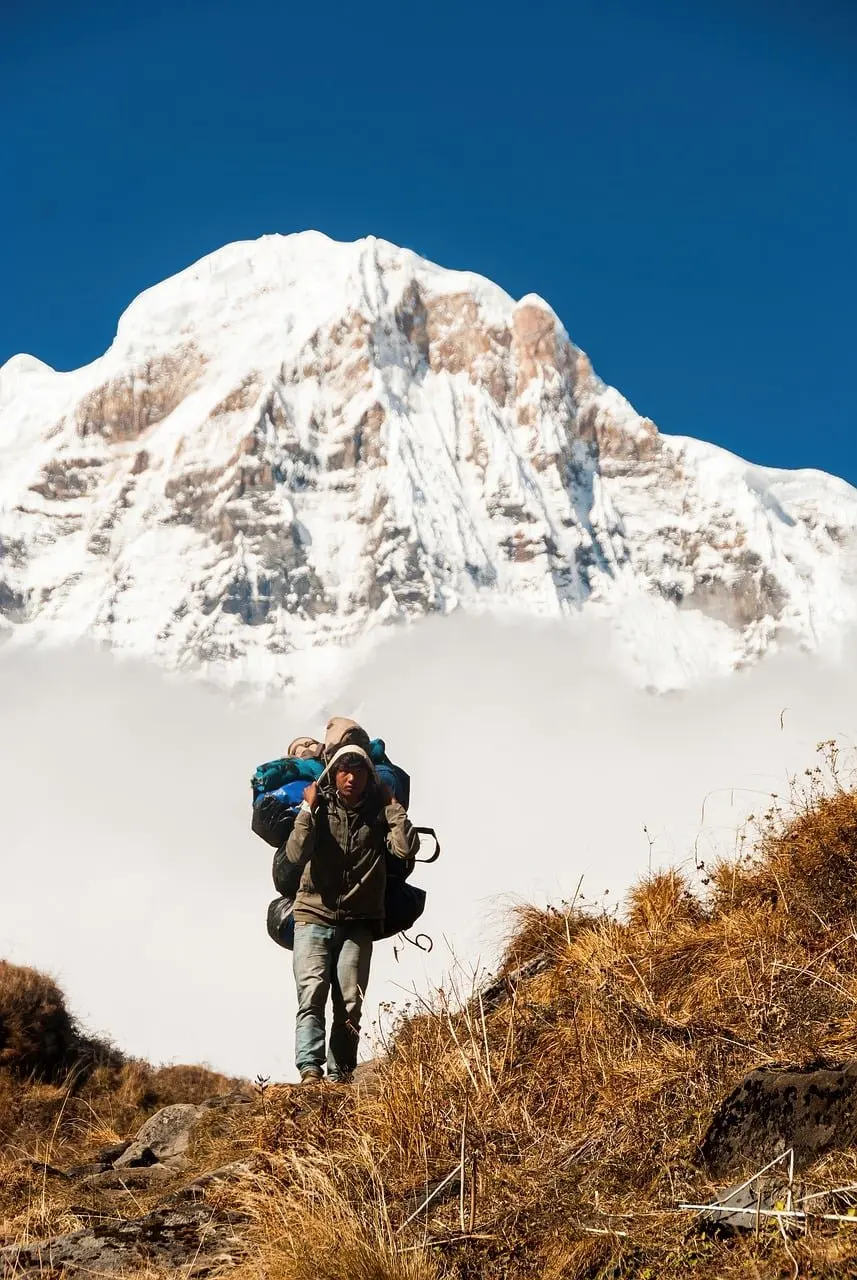
For trekking, the useful question is how fast to climb and when to rest. The trekking-health guide gives three concrete limits: avoid passing 9,000 ft in a single day, do not sleep 1,000–2,000 ft above the previous night’s altitude, and spend extra time acclimatizing after every 3,000 ft gained. The guide presents these as practical rules, so they work as ceilings to stay under, not targets to reach.
Building the itinerary
- Track sleeping altitude, not just the summit: the nightly height is the figure the sleeping rule limits.
- Cap each day’s gain: plan stages so no day crosses the 9,000 ft limit.
- Add an acclimatization day after every 3,000 ft gained: a rest day is part of the route, and skipping it leaves the pacing rule unmet.
- Leave slack at the end: a schedule with no spare days turns every delay into pressure to climb faster, so keep margin for staying put or turning back.
Anyone travelling alone has no companion to notice early warning signs, so it also helps to read solo female travel safety tips before committing to a remote route.
Symptoms that mean stop and descend
The review describes AMS as headache variably accompanied by loss of appetite, nausea, vomiting, disturbed sleep, fatigue and dizziness. The Cusco travel guide adds diarrhea or constipation, difficulty breathing and a racing heart to the list of common signs.
Turn-back thresholds to agree beforehand
- Headache with other symptoms: treat the combination as possible AMS and stop gaining height. The review’s Lake Louise threshold gives groups a shared way to score it.
- Symptoms appear on the climb: the trekking-health guide advises descending to at least 1,000 ft lower.
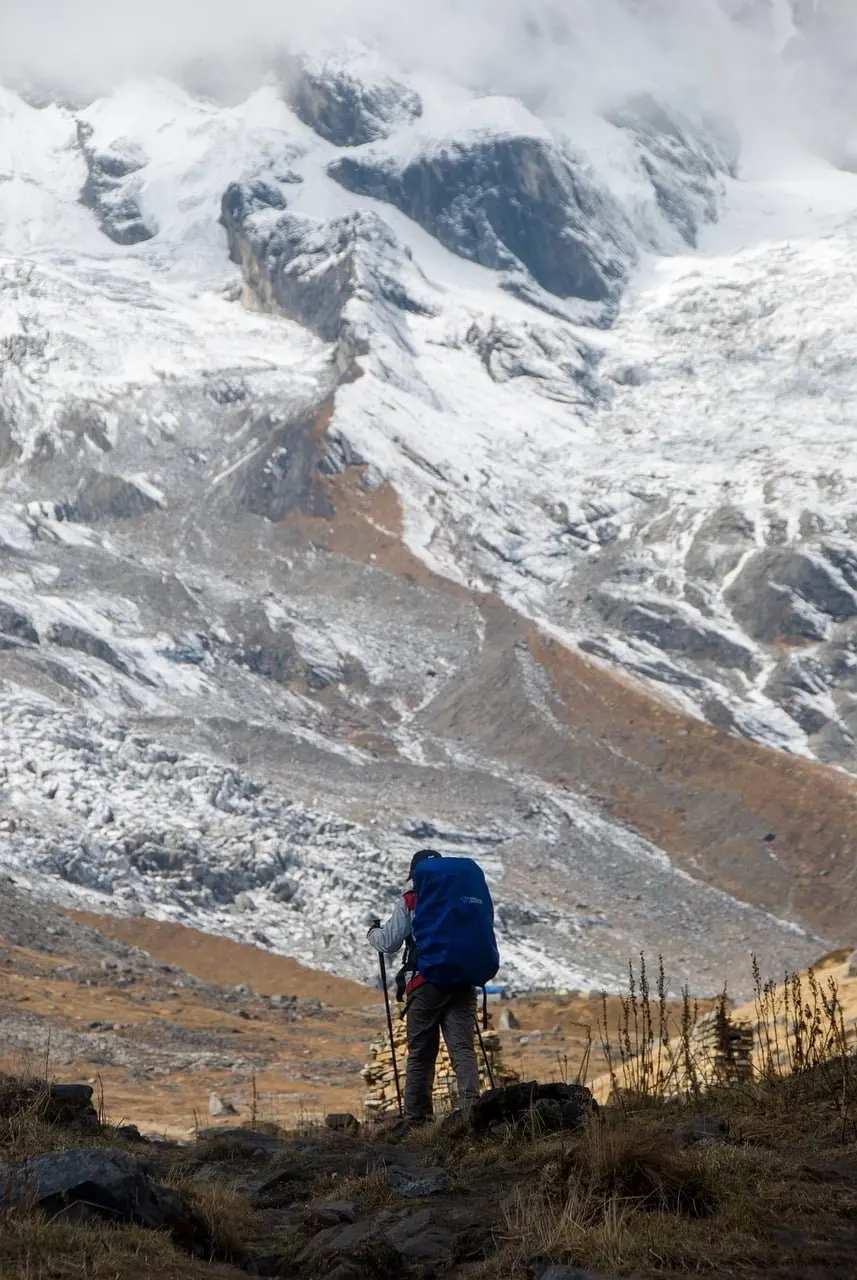
- Suspected HAPE or HACE: high altitude pulmonary edema and high altitude cerebral edema are the potentially fatal syndromes, and the review says descent is mandatory, if at all possible.
The Cusco guide is blunt about the logic: nothing other than descending back to a normal elevation cures altitude sickness. Settle who makes the call to descend before the trip, because symptoms can cloud the judgement of the person affected.
Frequently asked questions
Can ibuprofen treat an altitude headache?
The PubMed Central review says ibuprofen can be effective for headache. Relieving the headache does not change your elevation, so it is not a reason to keep climbing.
What if I am allergic to acetazolamide?
A trekking-health guide names dexamethasone as another option. Raise the allergy with your doctor, who decides what is suitable.
How common is AMS?
Across studies in Nepal, Colorado, Kilimanjaro and the Alps, prevalence ranged from 9% to 58%, according to the review. The spread reflects differences in altitude and ascent speed between settings, so no single figure fits every trip.