| Situation | What to do | Planning use |
|---|---|---|
| Before departure | Send a friend or relative your flight details, accommodation and a rough itinerary | Gives family a baseline, so a missed message can be judged against a known plan |
| On the road | Make quick check-ins and limit location posts on social media | Makes silence noticeable to the people who are watching for it |
| Where you sleep | Favour places with shared spaces and test locks, alarms and safes on arrival | Shortlist accommodation before booking, then verify it at the door |
| When something feels wrong | Leave and head to the nearest public place or group of people | Decide early to move rather than waiting to be certain |
The routine below draws on guidance from ClearMe and Fly SBN.
How to stay safe traveling alone comes down to three habits: give a trusted person your plan, check in on a routine they recognise, and sleep somewhere with shared or staffed space. Leave anything that feels wrong.
The sections below follow the order of a trip. The wider set of travel safety tips sits in the Travel Safety Essentials hub.
Before you leave
Preparation does most of the work for a solo traveler, because nobody else is present to notice a problem. Three tasks matter most: an itinerary a relative can read, emergency details in the right places, and insurance that fits the trip.
Share your itinerary with family
Send the plan before departure, not after arrival. ClearMe advises sending a friend or loved one your flight info, accommodations and a rough itinerary. Fly SBN adds that a daily itinerary shared with a trusted friend or family member means someone knows where you are.
Treat these as two layers. The first message holds the fixed points: flights and where you are staying. The daily update covers movement within a city or region. Family can only tell that something is wrong if they know what normal looks like, so keep the plan simple and send it to one or two people who will actually read it.
Set up emergency contacts and phone access
An emergency contact is useful only if it can be reached. Fly SBN recommends confirming before the trip that your mobile phone will have connectivity so you can check in with others as needed. That applies most to trips that include remote stretches, where a daily message may not be possible.
Also find out where the nearest hospital, police station and embassy are if you travel internationally. Look up the local emergency number for each destination from an official government or tourism page before you go, because numbers differ between countries.
Insurance and documents
Travel insurance matters more when no companion can help deal with a hospital or an airline. Hispana Global suggests a policy that includes medical evacuation, medical assistance and coverage for medical services abroad. MarketWatch frames insurance as cover for unexpected trip cancellations and emergency medical bills abroad. Read the policy for which of these it actually includes.
Documents belong in the same planning step. Storage habits are covered in the guide on how to keep passport safe while traveling.
Day-to-day on the road
Once you are moving, the aim is to be easy to account for and hard to single out. A steady check-in routine does the first job. Careful talk and posting do the second.
Build a check-in routine
A good routine is short, predictable and agreed in advance. ClearMe notes that quick check-ins are always reassuring. Predictability is what turns reassurance into a warning system.
- Fix the moment. Pick one point in the day, such as arriving at your accommodation, and message then. A message that moves around is harder to notice when it is missing.
- Keep the message small. A line saying where you are and that all is well is enough. A long update is easy to skip, for you and for them.
- Agree what silence means. Decide with family how long a missed check-in can run before they try to reach you, and who they contact next. Itinerary details such as your accommodation give them somewhere to start.
- Plan for dead zones. If a day will have no signal, say so in the morning message so the gap is expected.
Be careful what you post
Real-time posts tell strangers where you are. Fly SBN advises being cautious about posting your location on social media. Family already has your itinerary and check-ins, so photos can wait until you have left a place without losing anything.
Telling people you are alone
Do not volunteer it. ClearMe recommends you avoid telling others you’re traveling alone or flaunting valuables. If a stranger asks directly, Fly SBN suggests saying you are on your way to meet your friend.
This applies to strangers, not to the people running your accommodation or the relatives holding your itinerary, who need the real picture. Advice aimed at a particular group of travelers is collected in solo female travel safety tips.
Where you sleep
Accommodation is where a solo traveler spends the most unobserved hours, so it deserves two passes: choose carefully from home, then verify on arrival.
Choosing shared or staffed places
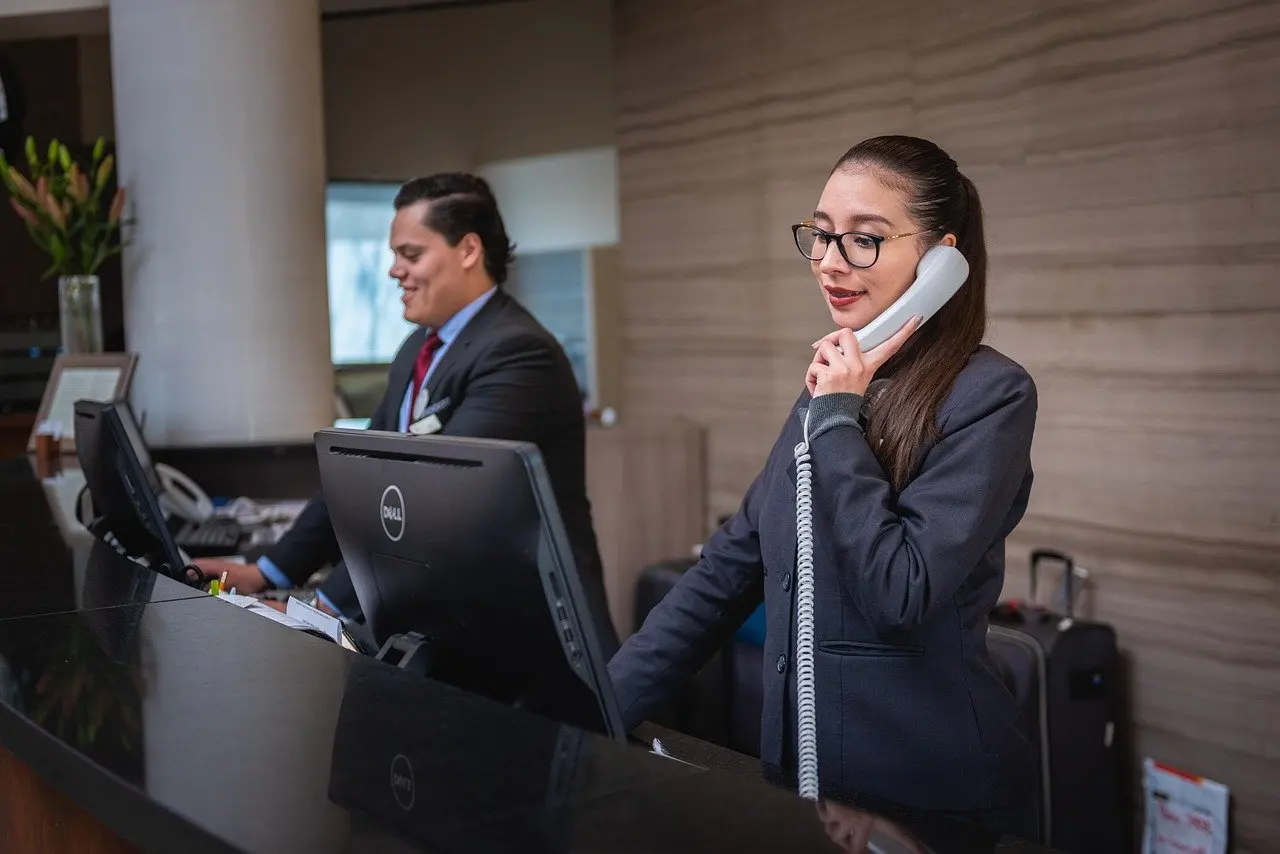
ClearMe recommends places with shared spaces: hostels with common rooms, boutique hotels with breakfast areas, or co-living spots. These suit travelers who want other people nearby, and a hostel is the obvious fit for someone on a modest budget who is comfortable around strangers.
A reception desk gives you a point of contact, which a bare self-check-in flat does not. Weigh that against your own comfort: if shared dorms are not for you, look at the private-room options covered in the FAQ.
Checking the room on arrival
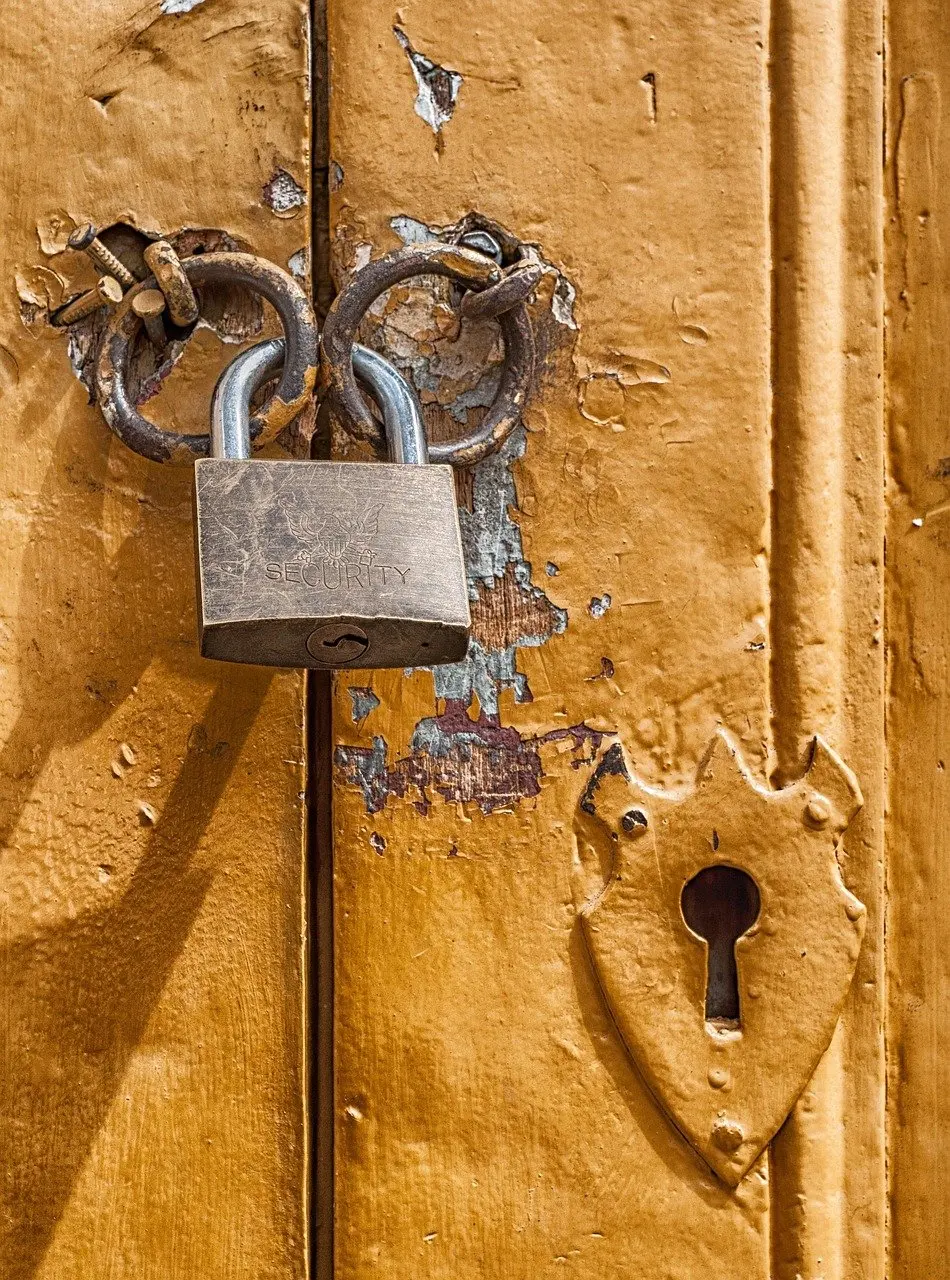
Reviews and photos only go so far, so inspect the room itself. Fly SBN says to make sure that door locks, alarms and safes are working when you arrive. If something does not work, ask for another room before you unpack.
Then secure the door. Hispana Global advises that, as soon as you walk in, you lock and latch the door. Make this the first act in every new room so it becomes automatic.
When something feels wrong
The advice here is simple on purpose, because a stressful moment is the wrong time to improvise.
Leave first, assess later
Fly SBN says not to hesitate to leave a location or situation that makes you uncomfortable. You do not need proof that something is wrong. Awkwardness is a smaller cost than staying.
If you feel threatened, the same source advises getting to the nearest public location or group of people as quickly as possible. Staying in populated, well-lit areas in the first place makes that move shorter. This is also a reason to plan evening routes in advance, rather than relying on a quiet shortcut.
Know who to call
Once you are somewhere safer, use the contacts you prepared. Fly SBN’s advice to locate the nearest hospital, police station and embassy pays off here, because you are not searching for them while stressed. Then message your family contact, even if the incident turns out to be minor. They can adjust the plan with you and will know your check-in was not a routine one.
Frequently asked questions
| Question | Answer |
|---|---|
| Can a hostel work if I want privacy? | Yes. MarketWatch notes that some hostels also offer private rooms, which gives you a door of your own while keeping the common areas. |
| Where should emergency contact details be stored? | Hispana Global advises storing the nearest embassy, local police station and nearest hospital in your phone and in your day bag. It also suggests setting your lock screen to display an emergency contact number, so someone else can reach your contact without unlocking the phone. |
| Are online reviews enough to pick safe lodging? | They help, since MarketWatch says checking online reviews can help you choose safe lodging. Use them to build a shortlist, then check the locks and safe yourself on arrival. |