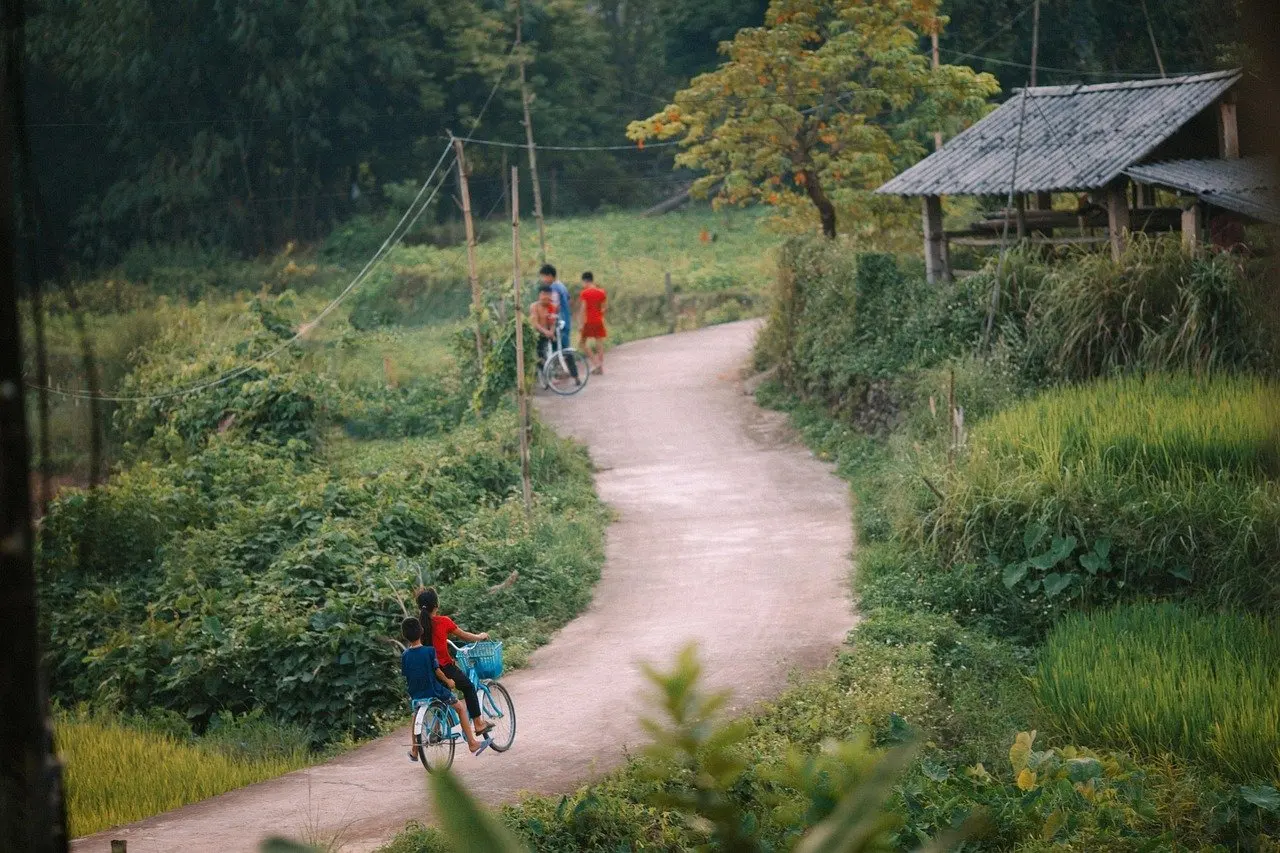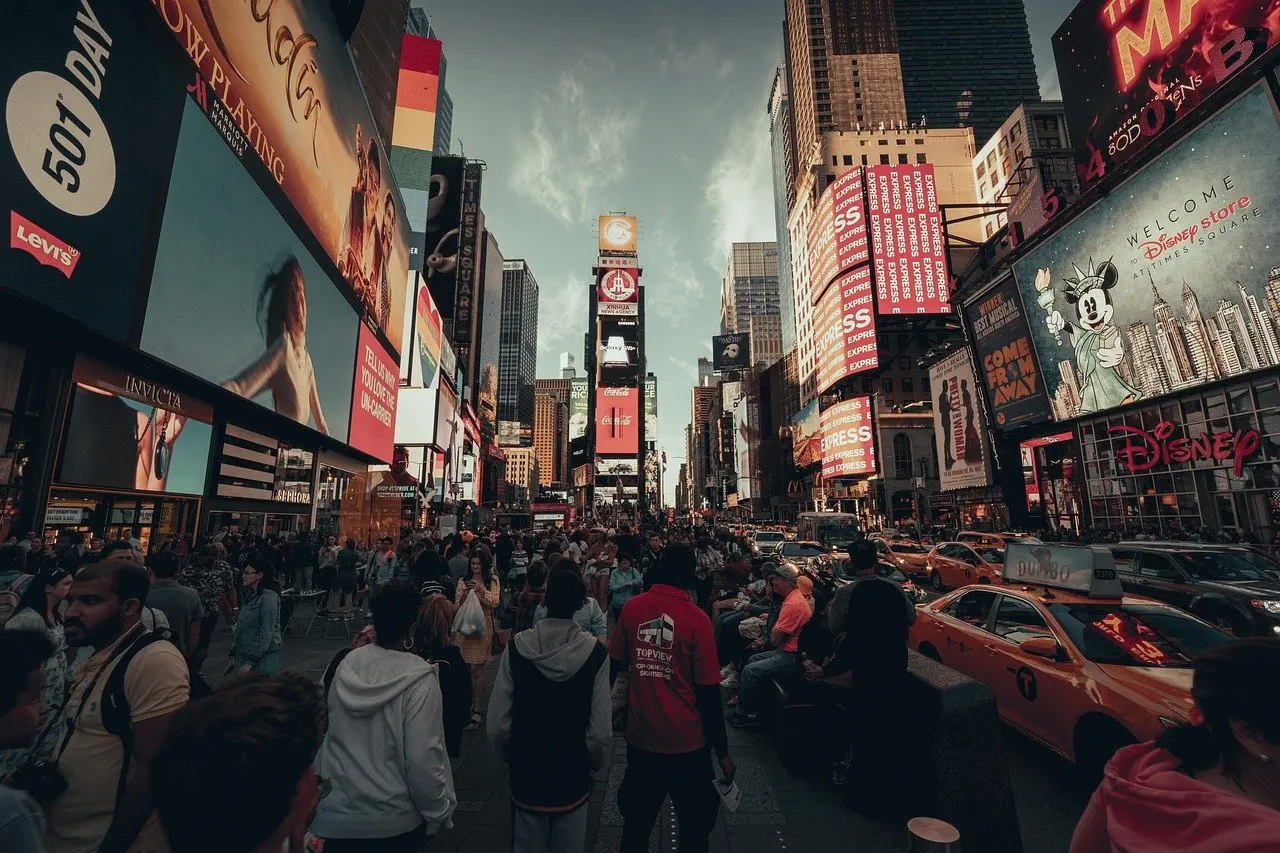
A village of 800 residents receiving around 10,000 visitors a day, as National Geographic reports for Hallstatt, shows the negative impacts of tourism at their sharpest.
Quick answer: the damage falls into environmental, economic, social and cultural groups. Travellers can influence when they visit, where their money goes and how they behave. Visitor caps, fees and housing rules sit with destinations.
For the wider framework behind these impacts, start with what is responsible tourism. The upside of getting it right is covered in benefits of responsible tourism.
Environmental impacts
Environmental harm comes from transport, resource use, waste and physical pressure on land and water. Most of it is spread across a trip rather than concentrated at one site.
Emissions and air travel
Tourism contributes to more than 5 percent of global greenhouse gas emissions, according to The World Counts. The Global Development Research Center adds that tourism accounts for more than 60% of air travel. Transport is therefore the part of a trip with the largest climate weight, and the part a traveller chooses before arriving.
Water, waste and pollution
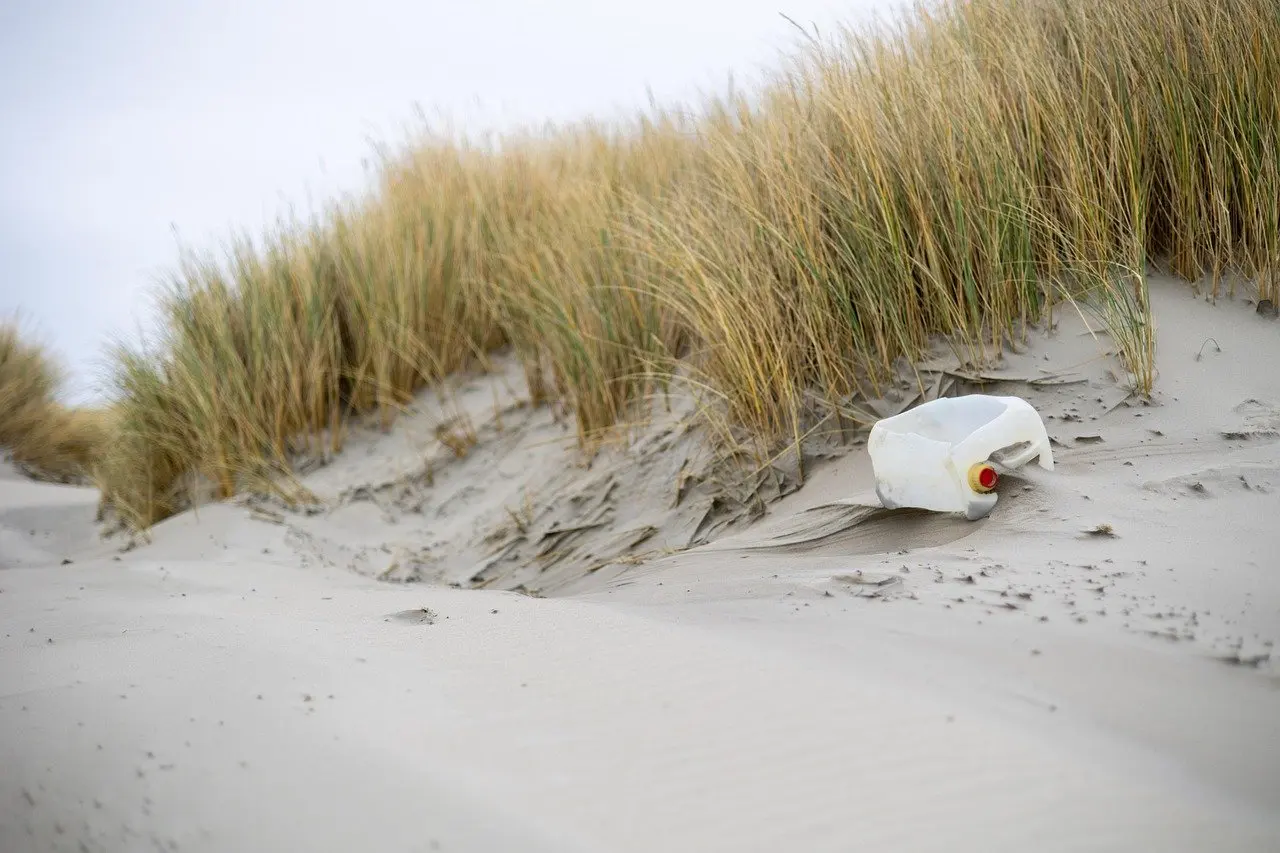
Tourism pollution effects show up as strain on water, litter, sewage and noise. In hot Mediterranean climates, the amount of water used can run up to 440 litres per tourist per day, and the Global Development Research Center notes that one tropical golf course uses as much water as 60,000 rural villagers. Sewage runoff damages coral reefs because it stimulates algae that smother filter-feeding corals. Noise counts as pollution too: snowmobile noise in Yellowstone could be heard 70% of the time at 11 of 13 sample sites.
Cruise ships and mass arrivals
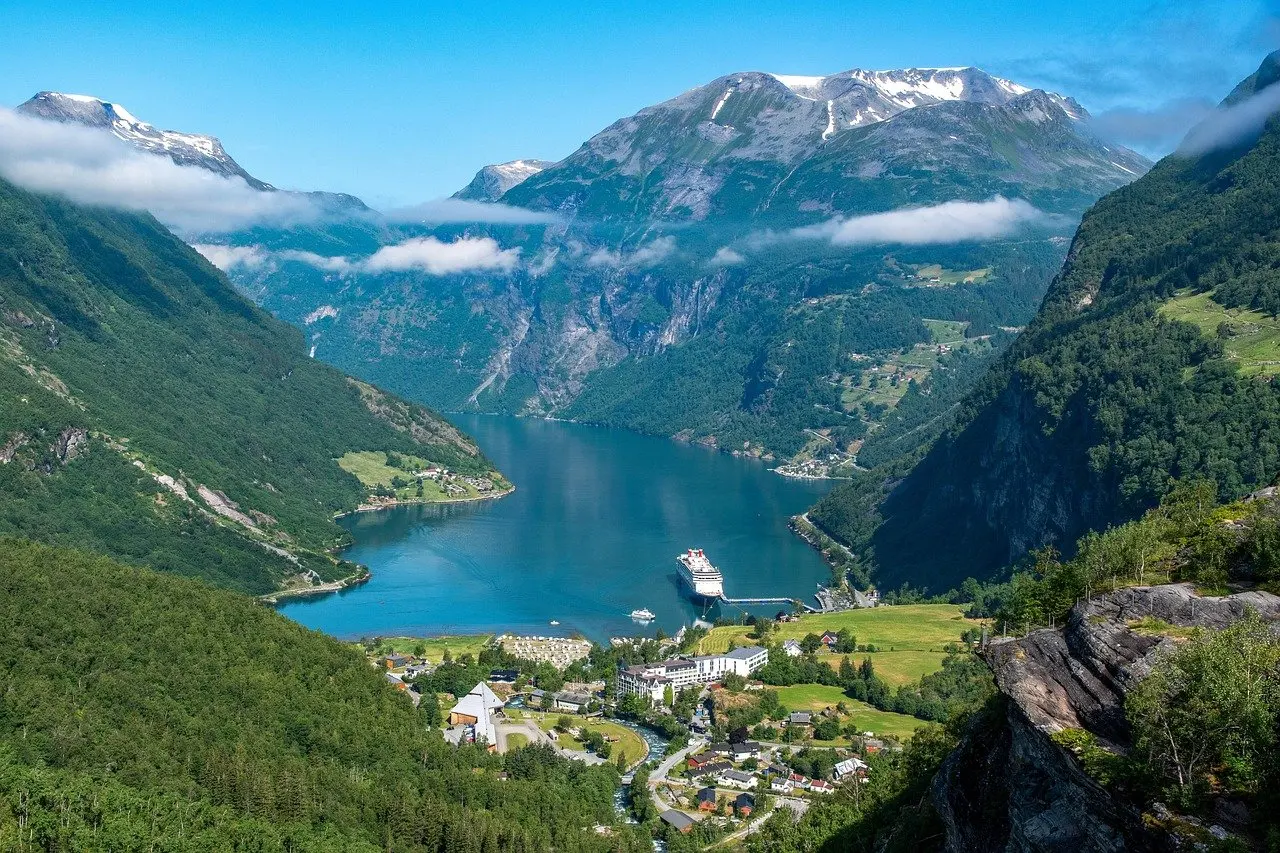
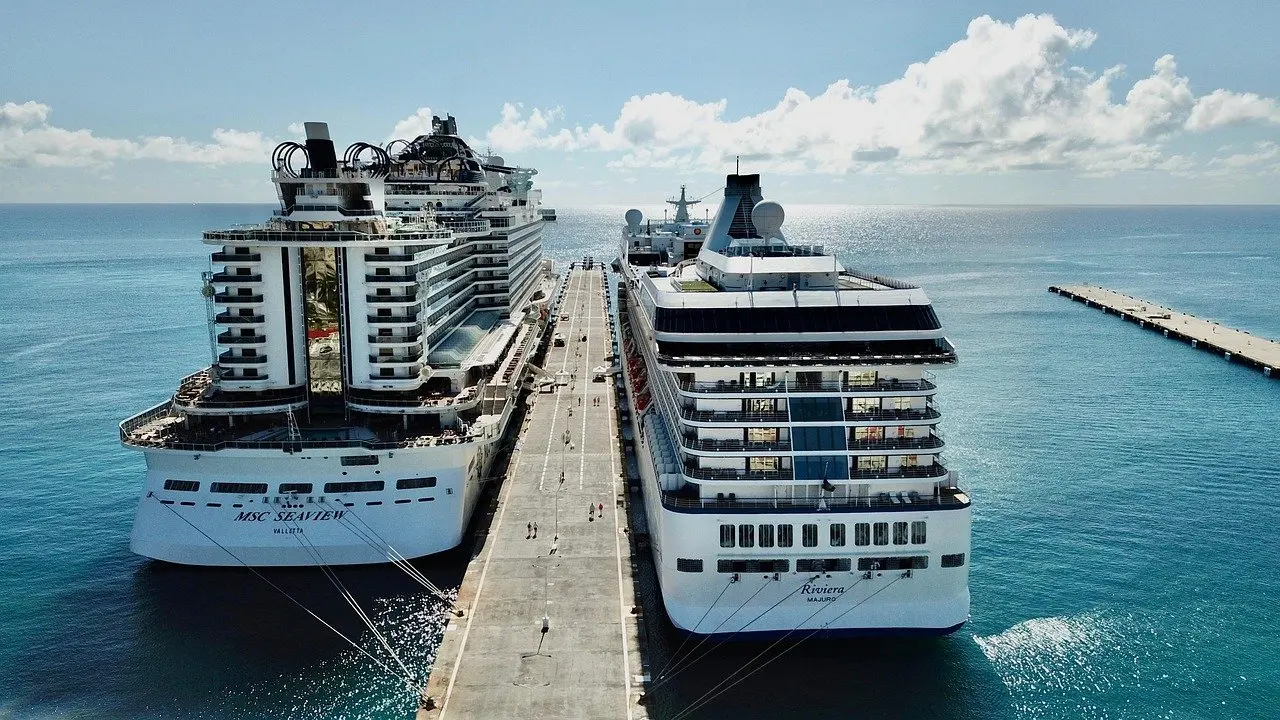
Cruise ships concentrate waste in a short stay. Cruise ships in the Caribbean are estimated to produce more than 70,000 tons of waste each year. Passengers each account for 3.5 kilograms of garbage daily, against 0.8 kilograms per person ashore. The effect is greatest in small ports, where one ship can outsize the town’s own waste and crowd capacity.
Erosion and resource use on the trail
Uncontrolled visitor pressure can lead to soil erosion and habitat loss. In Nepal, a single trekker can use four to five kilograms of wood a day. Trails and mountain areas suit visitors who keep to marked routes and use fuel that does not strip local forest.
Economic impacts
Tourism income does not always stay where the tourists spend it. Economic leakage is the spending that leaves an area after taxes, profits, wages and imports are subtracted, and Oceans Atlas uses the term for these subtracted amounts.
The scale can be large. Oceans Atlas reports that about 80% of travellers’ expenditures go to airlines, hotels and other international companies in all-inclusive package spending. It also cites an estimate that 70% of all money spent by tourists ended up leaving Thailand. A destination can look busy and still see little of the money.
This makes the choice of who gets paid more important than the total spent. A package built around international firms suits convenience but returns the least locally. Spending with locally owned businesses keeps more of the money in the community, though the supplied figures describe leakage rather than measuring the local alternative.
Crowding and overtourism
Overtourism occurs when too many visitors flock to a destination, exceeding its ability to manage them sustainably, as Sustainable Travel International puts it. For a fuller definition, read what is overtourism.
Carrying capacity has no single number
Carrying capacity is the point beyond which a destination cannot absorb more visitors. The tipping point occurs when the negative impacts of tourism outweigh its benefits. National Geographic notes that there is no definitive figure stipulating the number of visitors allowed, so each destination sets its own limit.
Documented limits and fees
Venice shows what limits look like in practice.
Social impacts: housing and cost of living
The social cost of tourism is mostly paid by residents through housing. Short-term rentals are the clearest channel: National Geographic reports renters being evicted by landlords in favour of turning properties into holiday lets, which pushes house prices up. Sustainable Travel International adds that the influx of tourists can drive up the cost of living and make affordable housing hard to find.
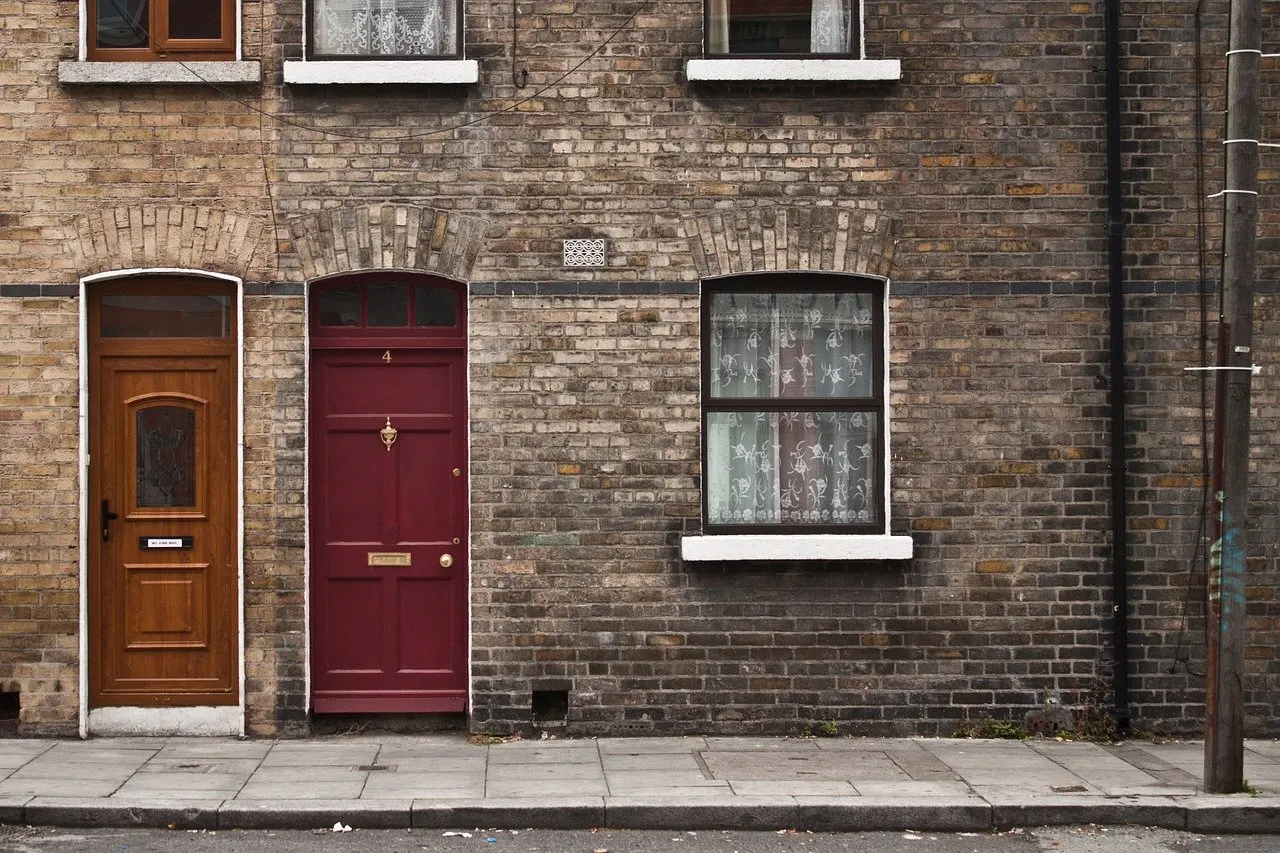
Travellers cannot see this from the street, which makes it the easiest impact to overlook. Where holiday lets are a local controversy, a traveller choosing between a conventional hotel and a converted flat is choosing which supply to support.
Cultural impacts
Cultural commodification happens when a living community becomes a product. Residents describe feeling that their community is losing its identity and being transformed into a tourist attraction rather than a place to live.
Visitor behaviour makes it worse. Sustainable Travel International lists disrespect of local customs and vandalism of sacred sites as aggravating factors, and notes that heavy foot traffic erodes the ancient stone floors and steps at heritage sites such as Angkor Wat, which draws millions of visitors annually. Tourism impact on local culture is therefore both symbolic and physical.

What travellers can influence
Individual choices reduce some impacts and leave others untouched. National Geographic lists promoting more off-season travel and limiting numbers where possible among the management responses, which splits the job between travellers and destinations. Use this order as a checklist before booking.
- Choose timing and place. Travel off-season or to less-visited areas, since crowding at a few sites drives most of the pressure described above.
- Direct spending locally. Pay locally owned guides, restaurants and lodgings where possible, because package spending is where leakage is largest.
- Check the accommodation. Where holiday lets are tied to local housing disputes, weigh that before booking one.
- Follow local customs. Stay off restricted areas, respect sacred sites and ask before photographing people or ceremonies.
- Treat the flight as a decision. Transport carries the heaviest emissions, so fewer and longer trips usually count for more than small changes on the ground.
Some impacts remain outside a traveller’s reach. Visitor caps, port rules, fees and housing regulation are set by destinations, and a traveller’s best contribution is to comply with them and avoid the busiest peaks.
Frequently asked questions
How fast are tourism emissions expected to grow?
The World Counts reports an expected 25% increase in tourism CO2 emissions by 2030 compared with 2016, from 1,597 to 1,998 million tons.
Are visitors spread evenly across destinations?
No. National Geographic cites a figure that 80% of travellers visit just 10% of the world’s tourism destinations, which is why a few places bear most of the crowding.
Will travellers actually avoid crowded sites?
Many say they would. In a 2022 Booking.com survey quoted by National Geographic, 64% of respondents said they would be prepared to stay away from busy tourist sites.