The short answer on how to choose ethical wildlife tours: pick operators with a firm animal welfare policy, no touching, feeding or tricks, and rules you can check on the spot. Accreditation helps but does not replace those checks.
This guide gives an ordered checklist rather than a ranking, because no single venue type suits every traveller. For the wider picture of trip choices, see how to plan a responsible trip.
Judging the operator before you book
An ethical wildlife tour starts with the company, not the animal. Intrepid Travel’s guide cites a World Animal Protection study finding that 75% of wildlife tourist attractions have a negative impact on wild animals. A pleasant-looking venue is therefore not evidence of good practice, and the operator’s policies are the first filter.
- Welfare policy. CAA Magazine advises choosing a travel operator with a firm animal welfare policy. Ask to see it in writing before paying a deposit.
- Attraction mix. Ask which animal attractions the operator sells. A company that bundles several contact-heavy attractions into one itinerary has more to answer for than one with a single, hands-off viewing trip.
- Memberships. Intrepid’s guide suggests checking whether the operator has signed up to wildlife protection bodies. Membership is a starting point for questions, not a verdict.
- Business model. A wildlife tourism commentary on LinkedIn states that ethical operators put animal welfare above profit. In practice, that means an operator should be willing to cancel or shorten a sighting rather than crowd the animals.
Safari trips raise extra questions about vehicles, guides and park rules. Those are covered in how to choose a responsible safari operator.
Species-by-species checks you can make on the spot
Marketing language is easy to write, but behaviour is visible. The checks below use what a traveller can observe or ask at the gate, and they are grouped by animal rather than ranked.
Elephants
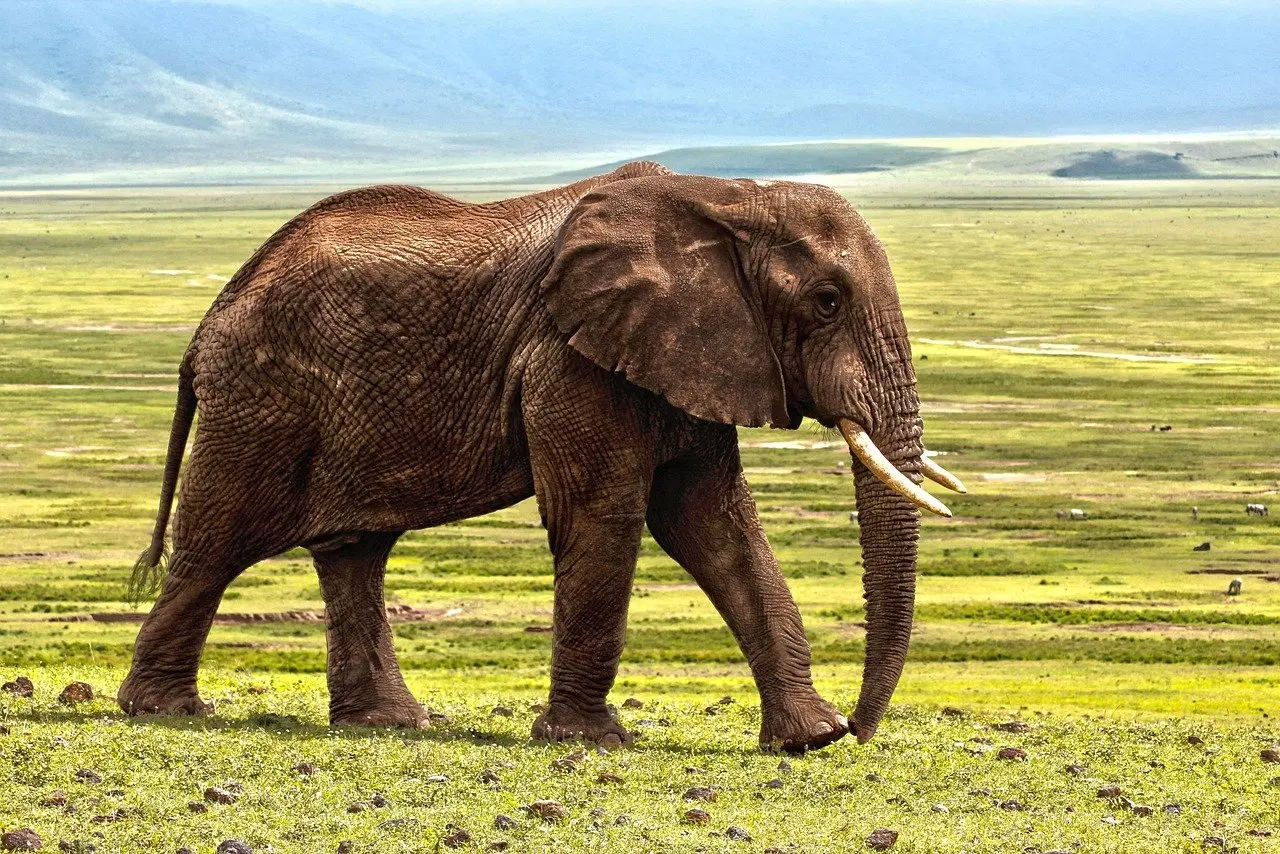
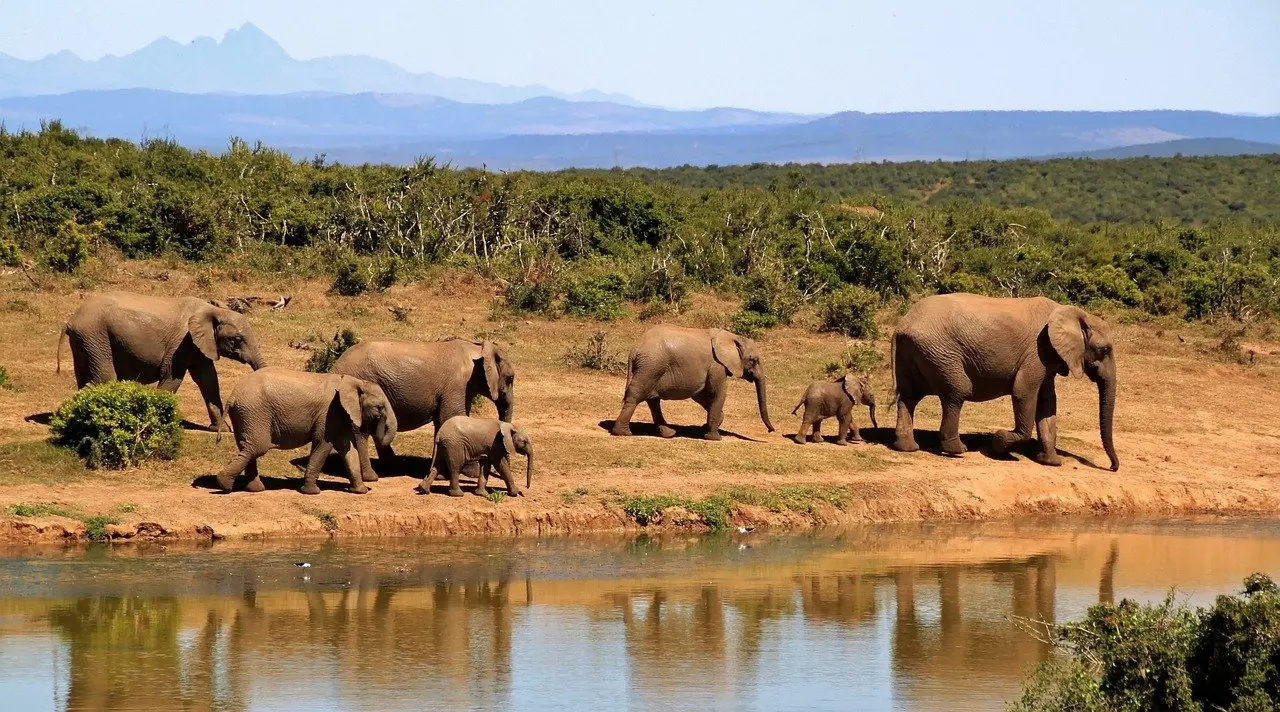
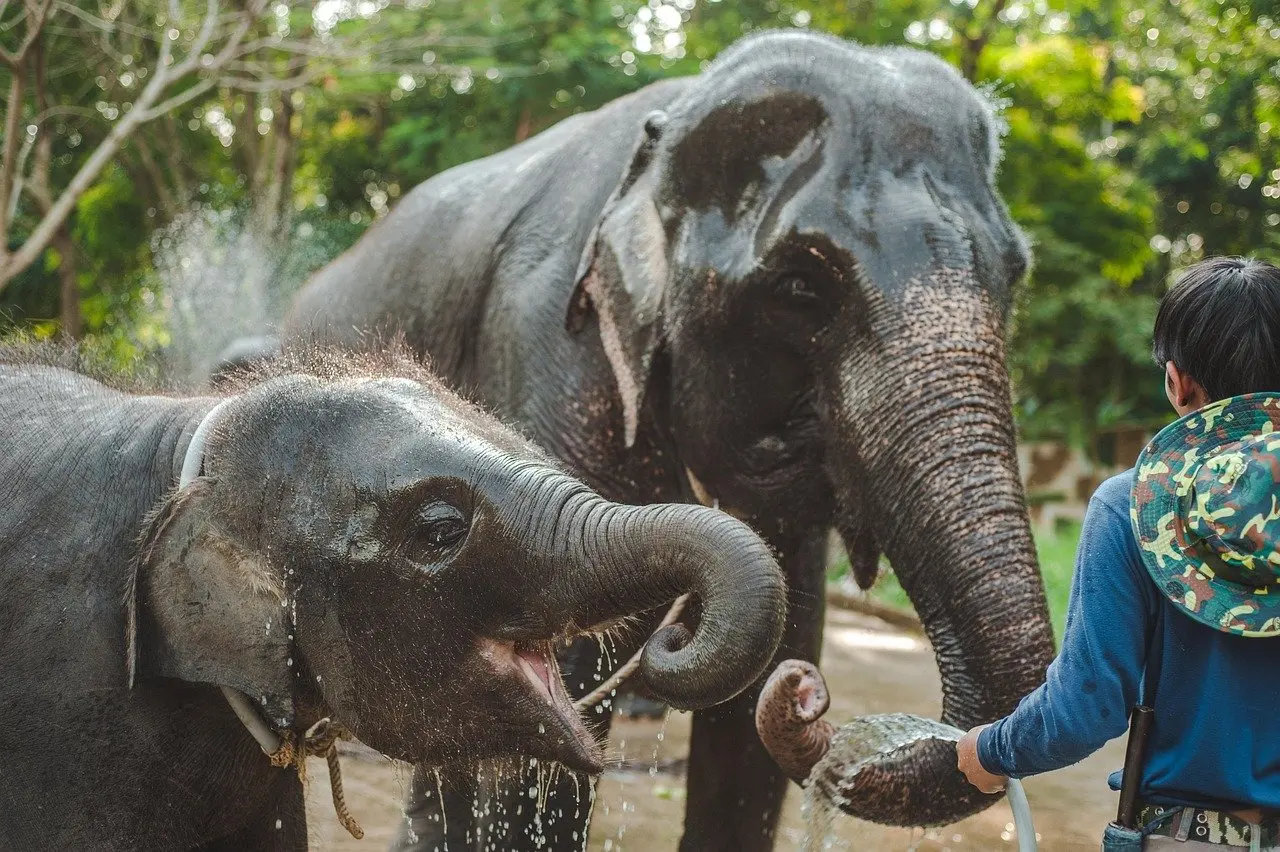
Riding is the clearest test. Tourism Concern, quoted by CAA Magazine, advises riding only for less than an hour, because carrying tourists can cause back injuries. That is a ceiling for a harm-reduction compromise, not a target, and the safer choice is a venue that offers no riding at all.
Contact is the second test. Writing about Elephant Nature Park in northern Thailand, CAA Magazine notes that many of the rescued animals have experienced trauma, so visitors should not expect to touch them. A sanctuary that frames hands-off viewing as normal fits that picture. One that promises touching on demand deserves more questions about how the animals are restrained and trained.
Whales and other marine animals
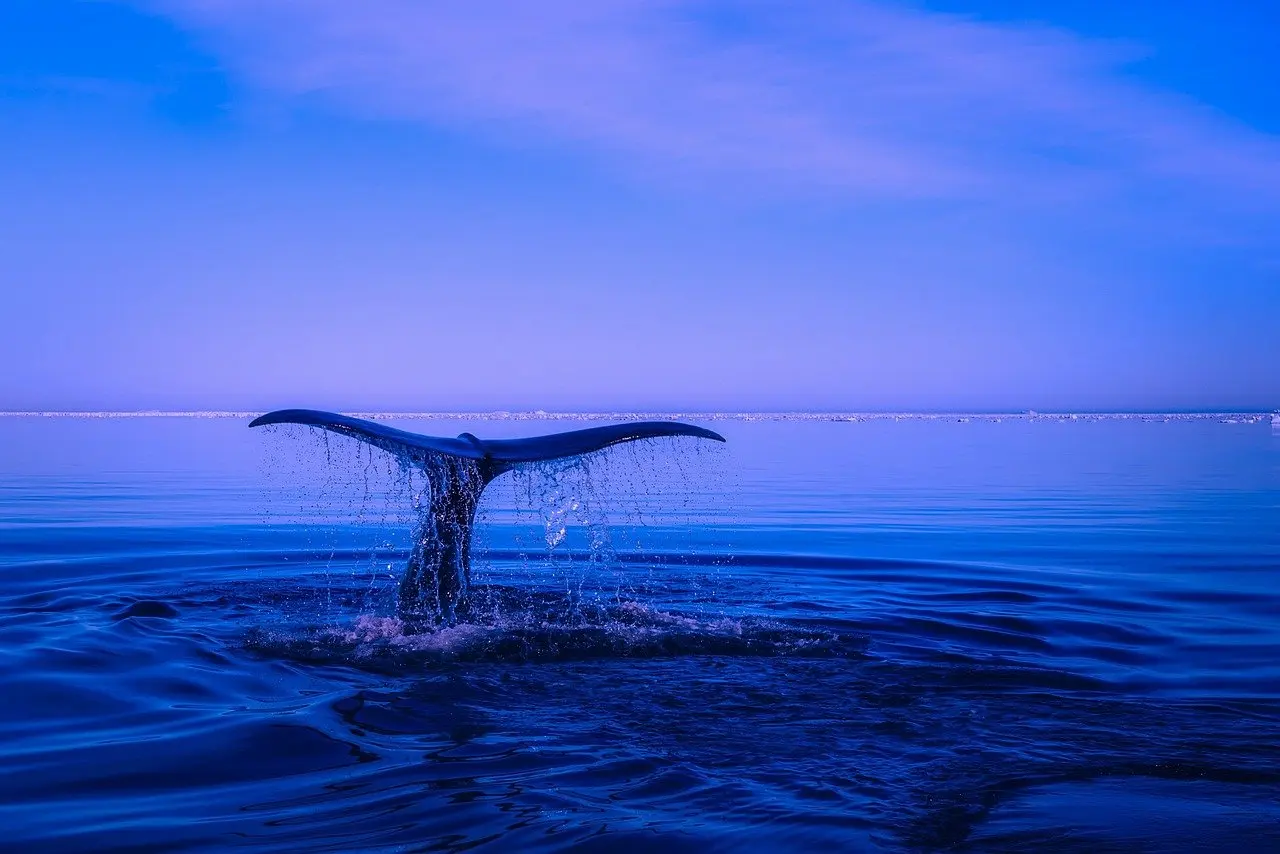
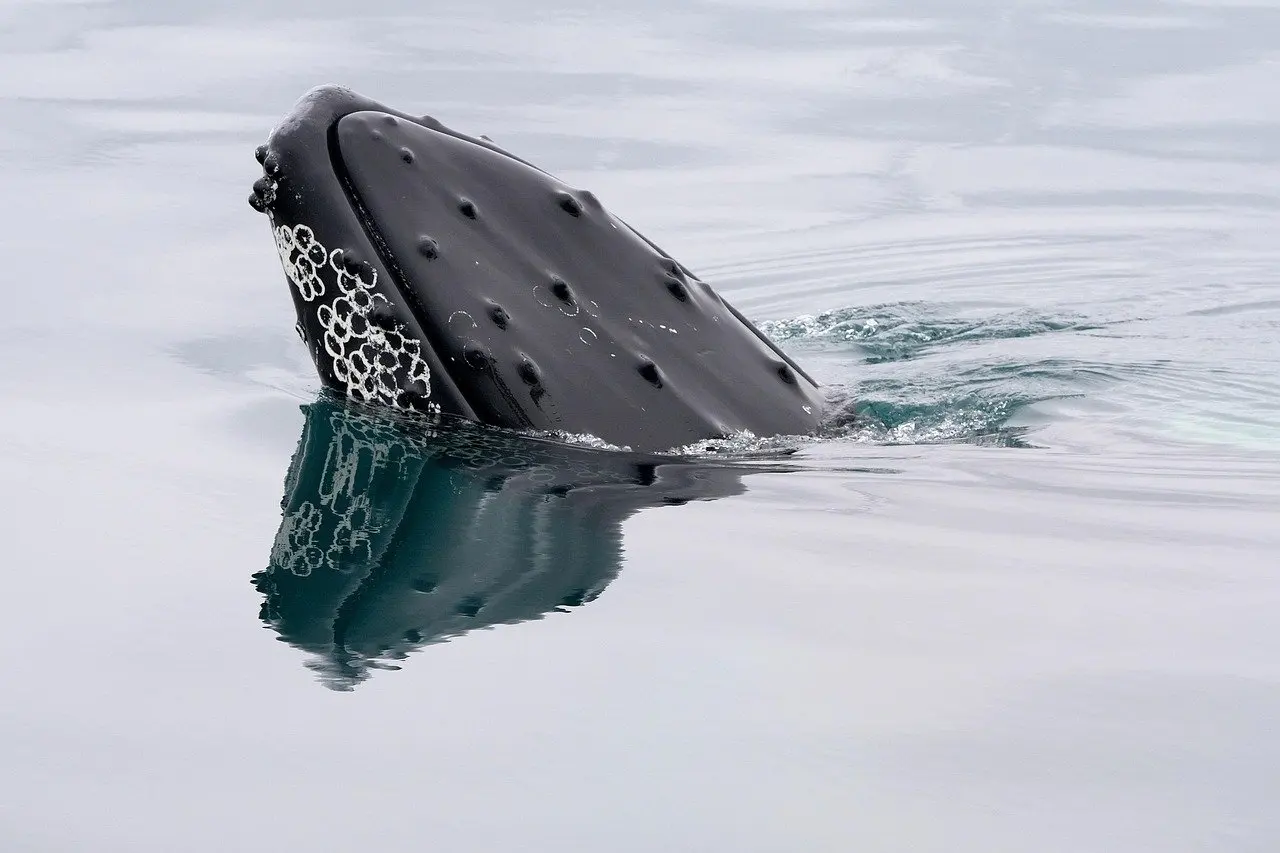
Responsible whale watching operators work inside a framework that puts the animals’ behaviour first. Ask the operator for its written approach rules and compare them with the local marine or wildlife agency’s rules. Where a destination sits inside a marine protected area, that managing authority is also a body you can check independently of the operator’s brochure. The accreditation table below lists a whale-specific destination scheme.
Whale traffic can be large. The Wildlife Heritage Areas announcement notes that more than 15,000 Pacific gray whales migrate through the Santa Barbara Channel each year.
Baiting is a marine-specific warning. CAA Magazine describes a shark-viewing option that uses sound lures instead of bait, because bait may alter natural behaviours and contribute to shark scarcity. If a shark or fish encounter depends on food in the water, ask what the operator does to limit that effect.
Red flags in wildlife tourism
Some practices should end the booking conversation. They matter more than polished websites or friendly staff.
Photo props and street animals
Any animal held, chained or passed around for photos is a warning sign. According to Intrepid’s guide, almost all such animals have been taken as babies from the wild. The Gibbon Rehabilitation Project estimates that 10 to 15 gibbons are killed for every one seen on the street. Buying the photo funds the trade that supplies the next animal.
Staged tricks and entertainment
Unnatural acts, such as bike riding or teeth cleaning, involve substantially more training and can have serious welfare implications, according to the same guide. If an animal performs behaviours it would never show in the wild, treat the show as a reason to walk away.
Feeding and close approach
The LinkedIn commentary says feeding and close approach can cause stress, alter natural behaviours and compromise animals’ well-being. Staff who encourage visitors to feed, crowd or follow animals are showing how the venue prioritises income over welfare.
Accreditation schemes and guidelines to check
No badge guarantees good treatment, so use schemes as one input alongside what you observe. The table compares the ones in the evidence, with a note on how to use each.
| Scheme | What it is | Planning use |
|---|---|---|
| Whale Heritage Sites | Started in 2015 by the World Cetacean Alliance and run with World Animal Protection since 2019; aims to encourage respectful human-cetacean coexistence | Check whether a whale-watching destination is designated before choosing an operator there |
| Wildlife Heritage Areas | 8 locations named, announced 25 Oct 2023 | Use as a shortlist signal for destinations. The list is small, so a place missing from it is not a red flag |
| GSTC certification | Global Sustainable Tourism Council certification, cited as an indicator of responsible operations | Ask an operator whether it holds it and what it covers |
| AZA membership | Cited as an indicator of responsible operations | Relevant mainly for facilities that keep animals. Ask what the membership requires |
Figures and descriptions come from the Wildlife Heritage Areas announcement and a wildlife tourism commentary.
Frequently asked questions
Is there one official accreditation for ethical sanctuaries?
No single mark is established. In the Wildlife Heritage Areas announcement, World Animal Protection said the travel industry had no means of identifying destinations meeting high animal welfare standards. Combine scheme checks with the on-site observations above.
Can I trust online reviews of wildlife attractions?
Not on their own. World Animal Protection is reported by Intrepid Travel as claiming that 80% of people left positive reviews on Trip Advisor for venues with a negative animal welfare impact. Reviews often describe a fun experience, not what the animals went through.
Does volunteering with wildlife help the animals?
Only under certain conditions. CAA Magazine says turtle volunteering helps when nesting sites face a threat such as erosion or poaching, and otherwise may do more harm than good. For placements more broadly, see how to choose an ethical volunteer abroad program.
Is visiting a protected area independently an alternative to a tour?
It can be. CAA Magazine suggests visiting a protected area managed by South African National Parks as an independent option. The same logic suggests checking a marine protected area’s own management rules, so an accountable authority sets the standard rather than a private tour seller.